To all our customers who always support Chiyono Anne
As we enter the December season, we hope that you are all in good health.
We would like to express our sincere gratitude for your continued patronage.
Anne ChiyonoFriday, December 30, 2022 - Thursday, January 5, 2023We will be closed for the New Year holidays until
During the periodOur EC siteYou can still shop on the website, but product shipments and inquiries will be handled after the holidays.January 6th (Friday) onwardsThese will be supported in order.
We kindly ask for your understanding.
We hope to have your continued patronage in the coming year, and would like to conclude our end-of-year greetings with this.
I hope you all have a happy new year.
Happy Holidays!
Anne Chiyono
Chiyono Anne has released new swimwear that will enhance your summer mood again this year.
The four items, which are based on the key concept of "Bloom" and feature unique designs and watercolor motifs by designer Chiyono, are recommended for use on the beach or pool, as well as for everyday use around town when traveling, depending on how they are combined.
This time, together with Sakiko Hasegawa, director of the select shop ADELAIDE, we will introduce the latest coordination using Chiyono Anne's new swimwear and popular items from ADELAIDE!
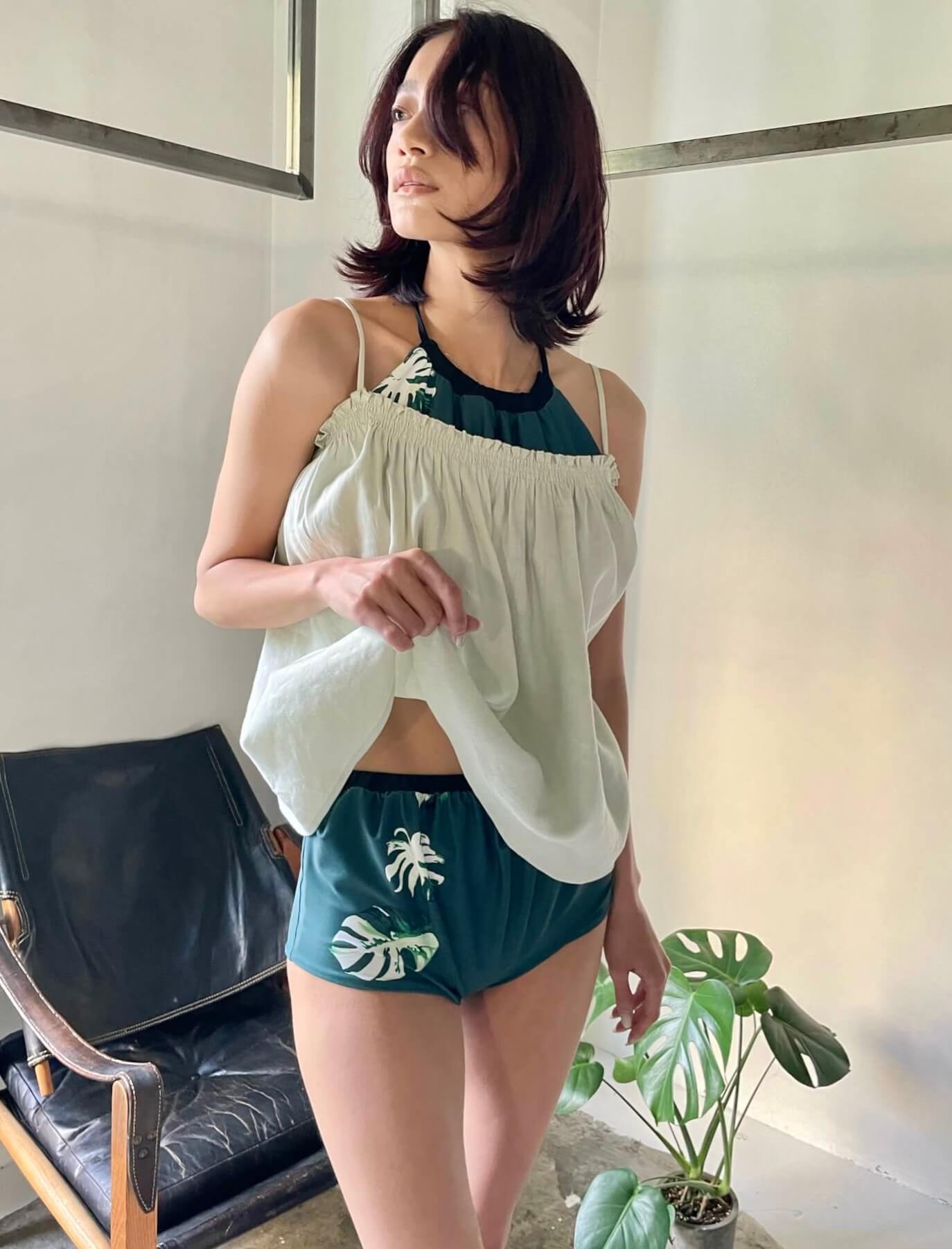
MONSTERA FOREST Bikini & High Waist Bottoms Set
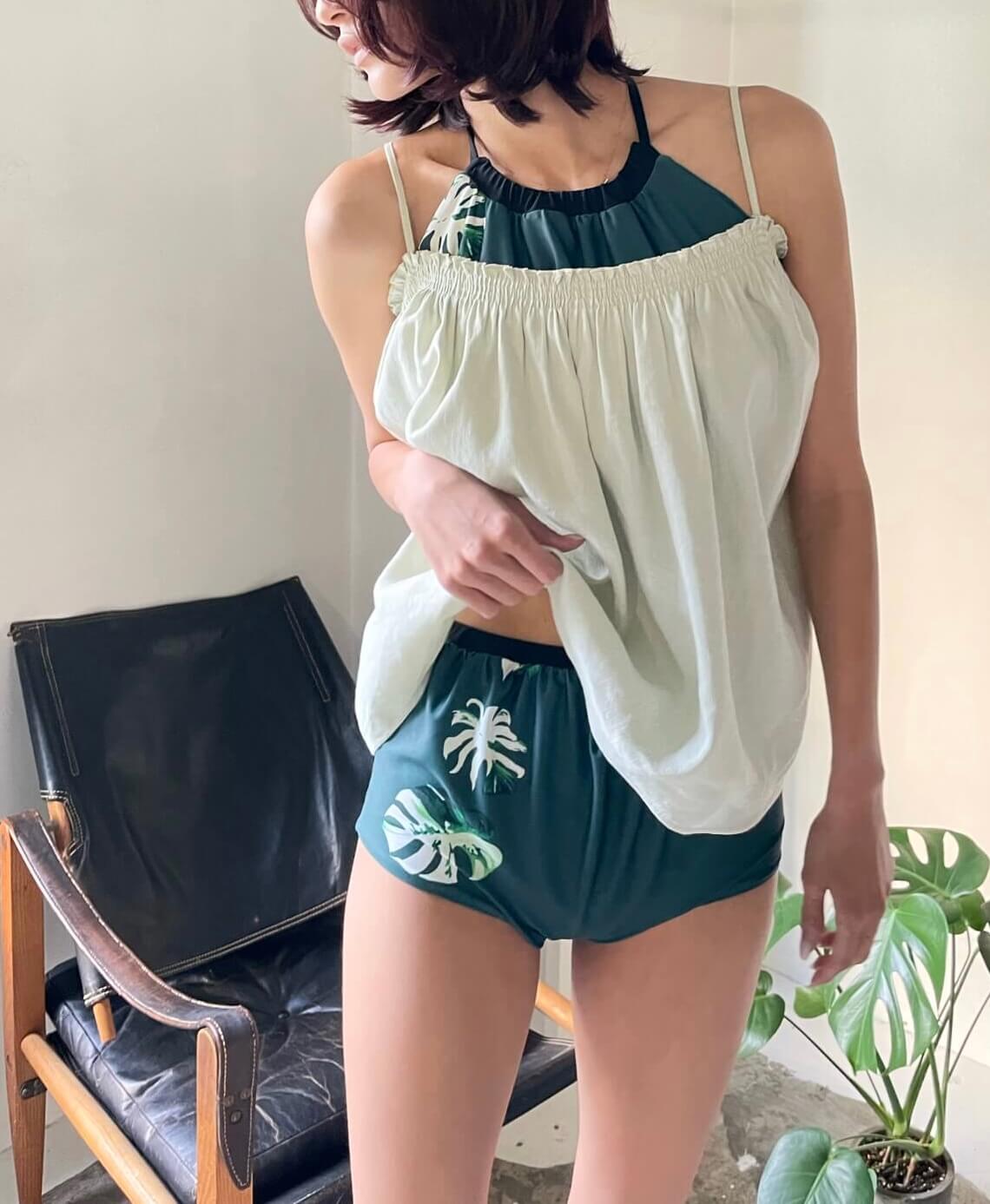
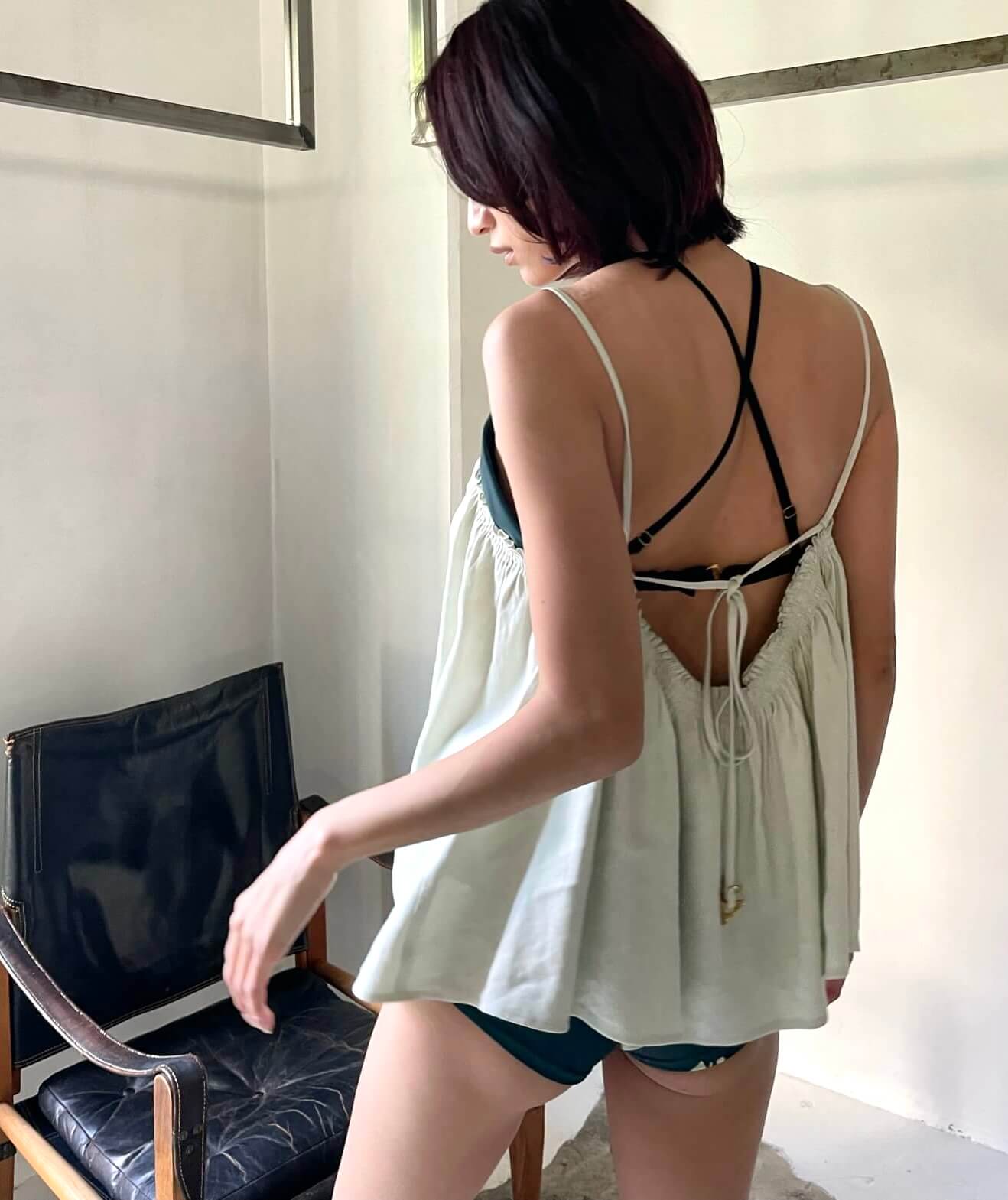
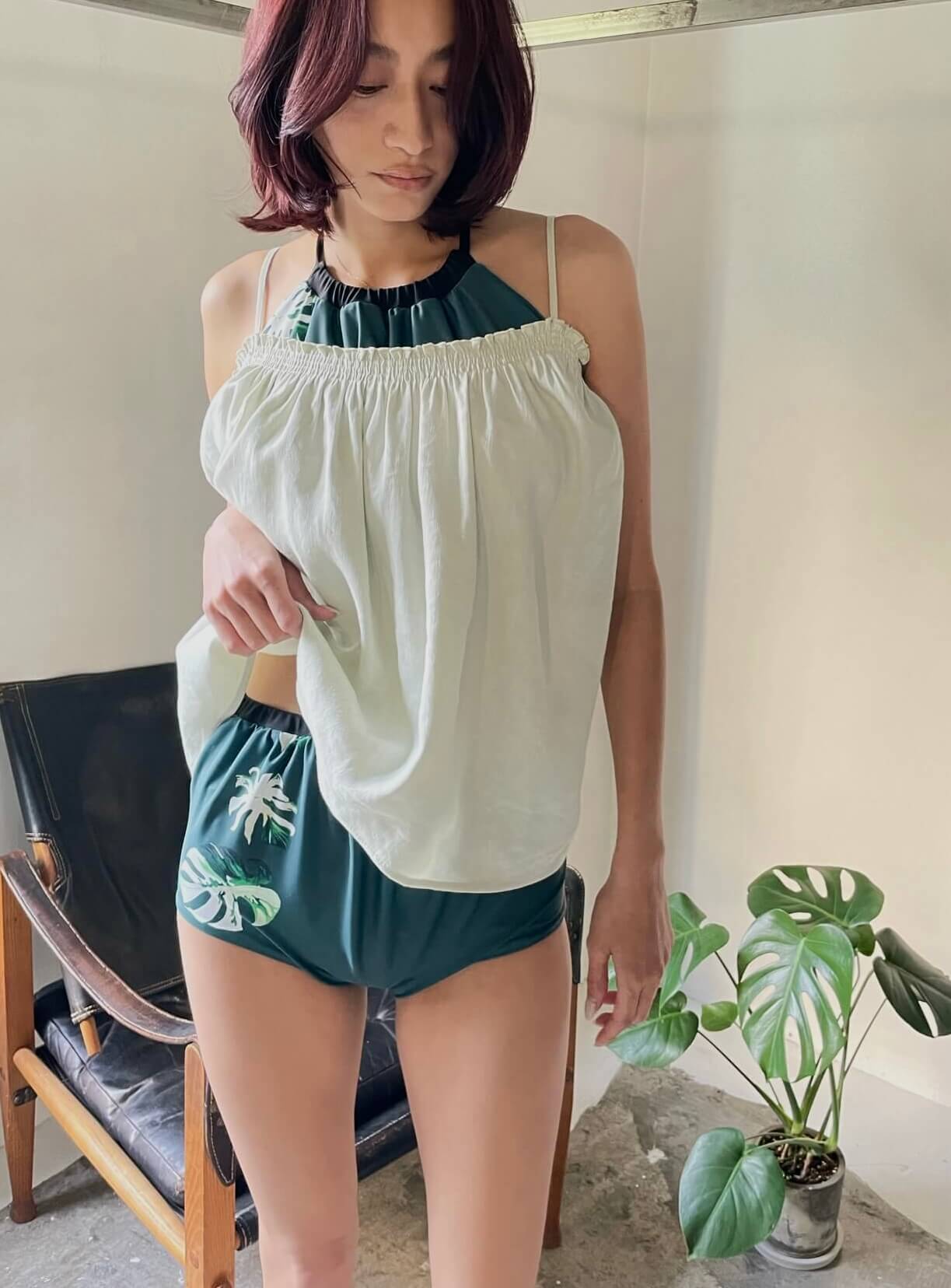
Camisole / AERON
「MONSTERA FOREST Bikini & High Waist Bottoms Set」
A bikini top and high-waisted bottom set that envelops your body lines with beautiful, ample gathers.
Layering a gathered camisole in a soft color will reduce exposure and create a relaxed atmosphere. It has a healthy look, so it's perfect for chilling by the pool or a beach picnic.
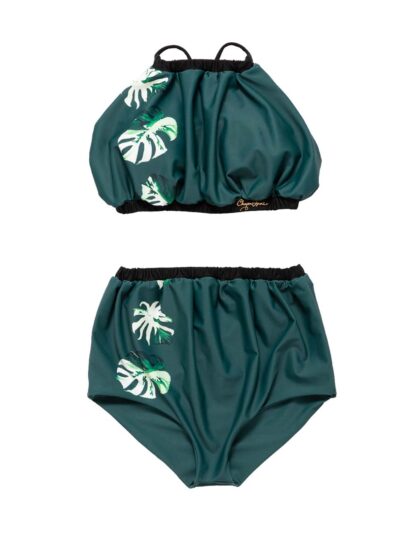
Add to WishlistMONSTERA FOREST
Bikini & High Waist Bottoms Setビキニトップ & ハイウエストボトム
¥49,500 (tax included)
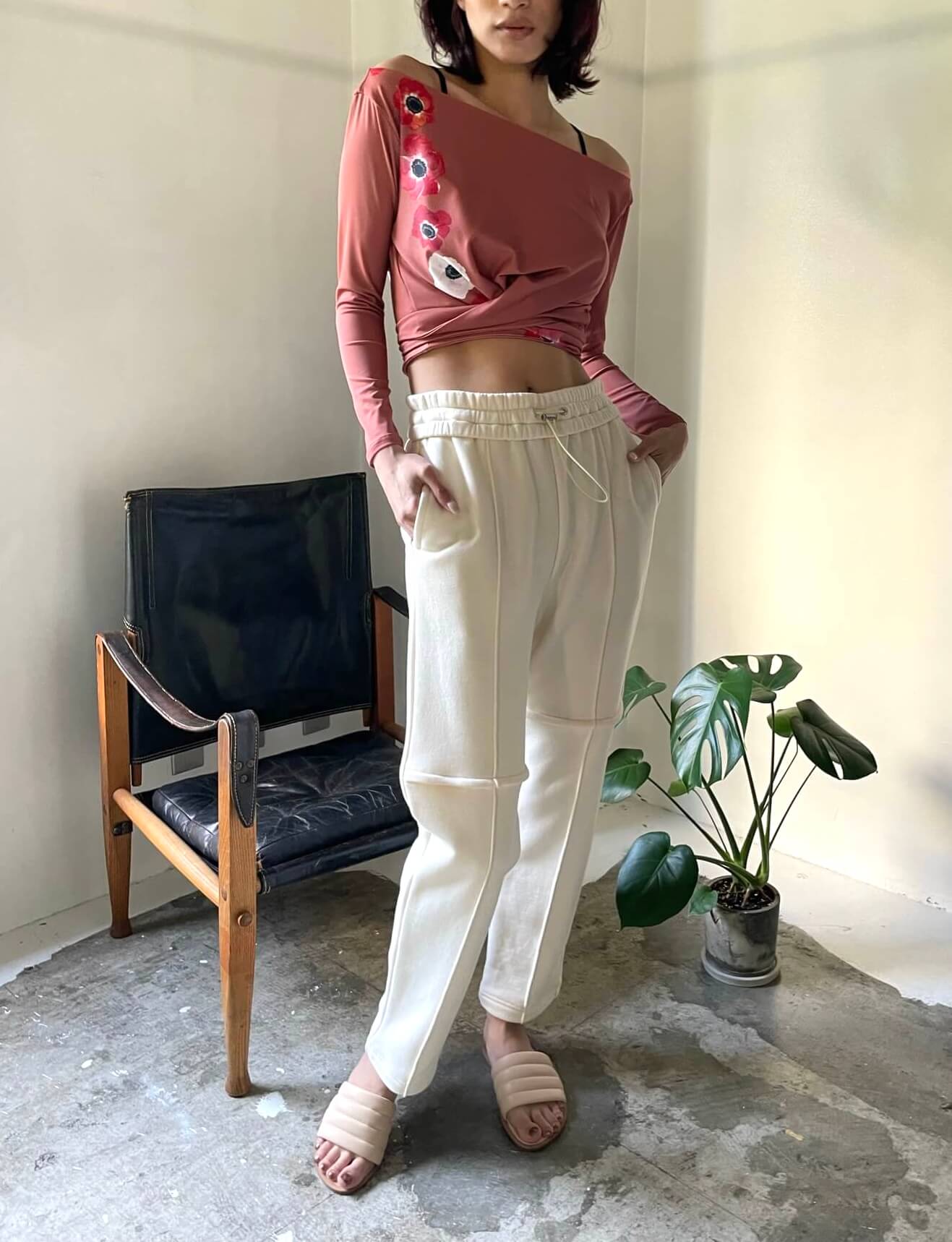
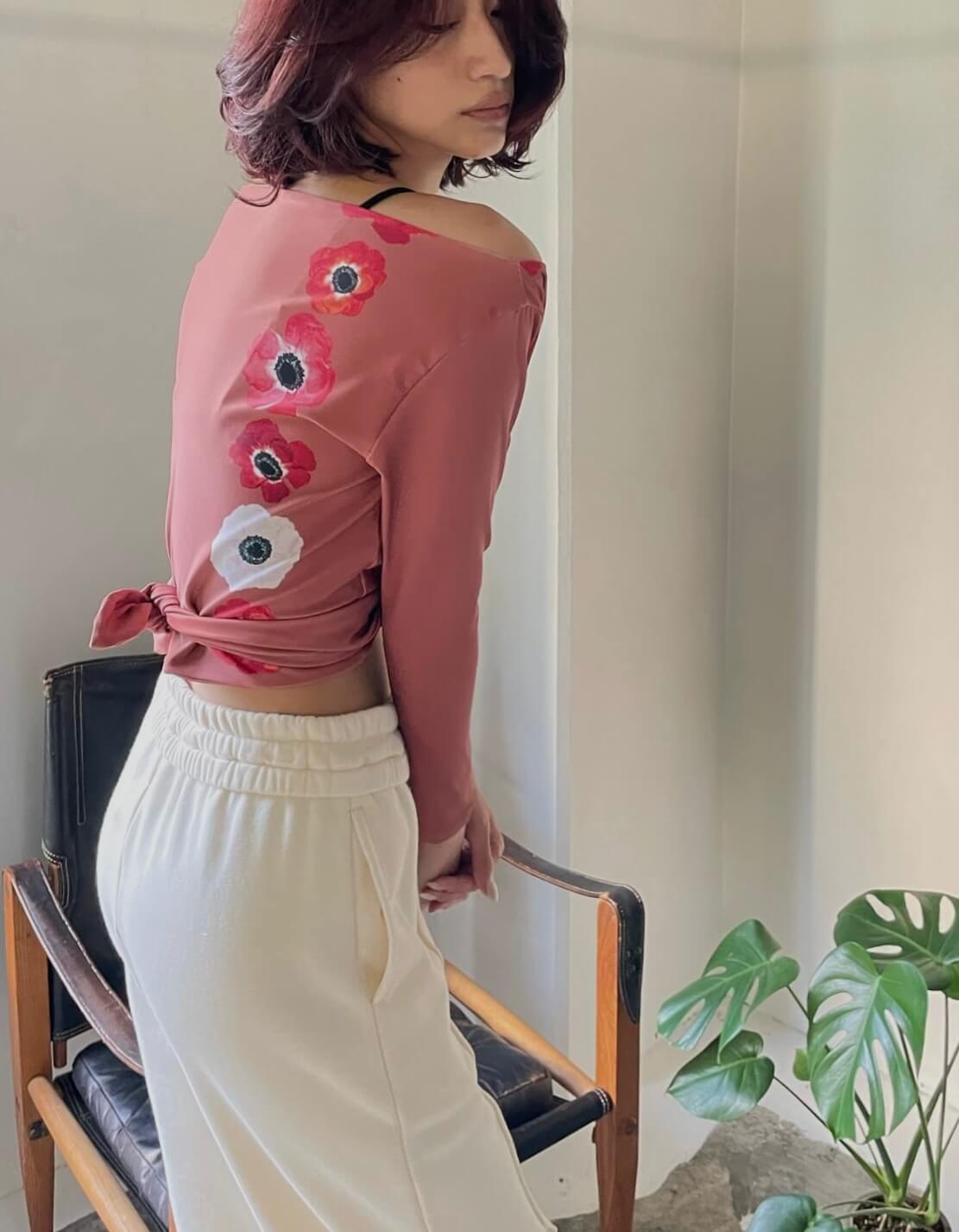
ANEMONE EARTH Long Sleeve Top
Bottoms /determ;
Shoes/Model's personal belongings
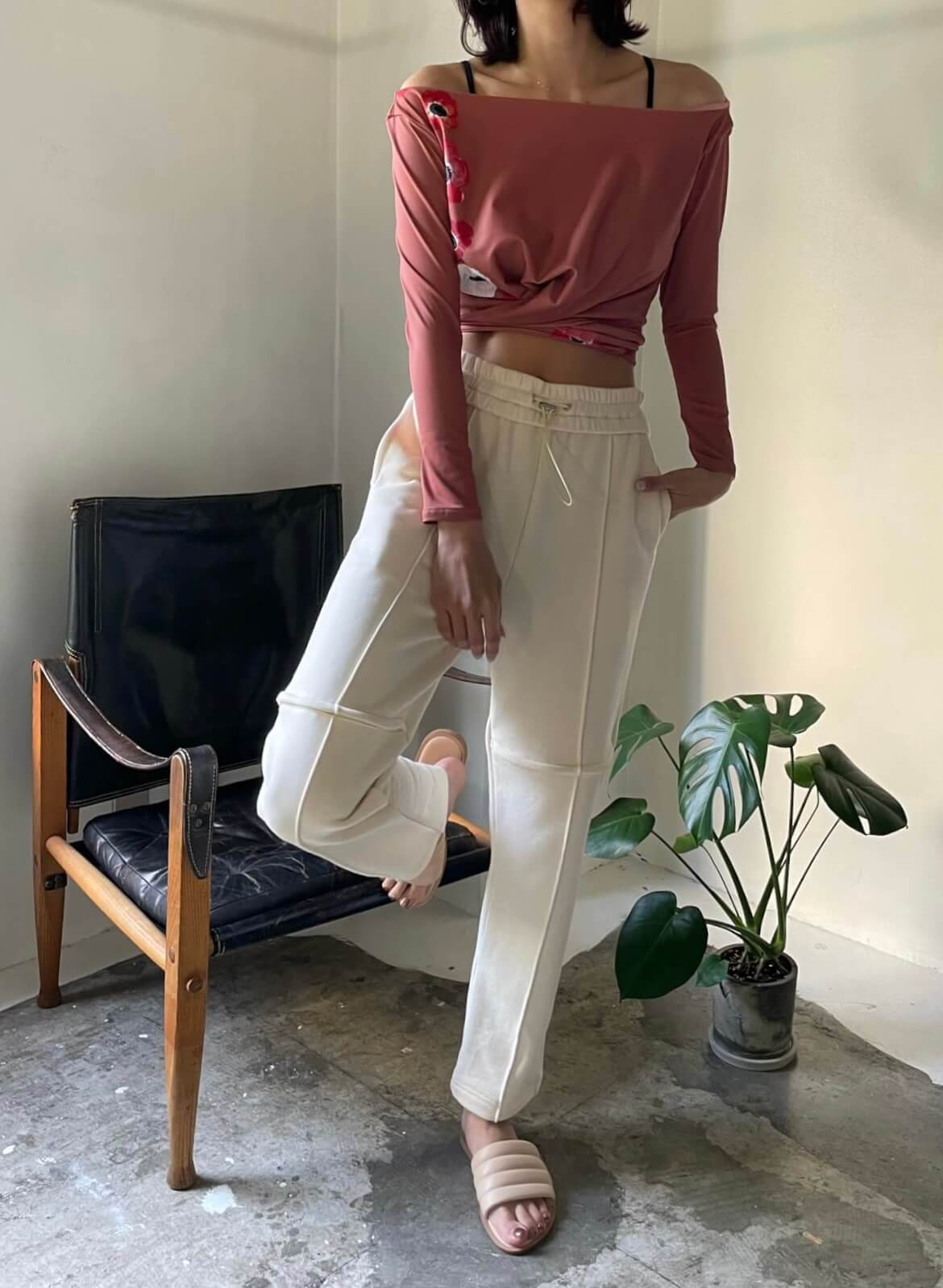
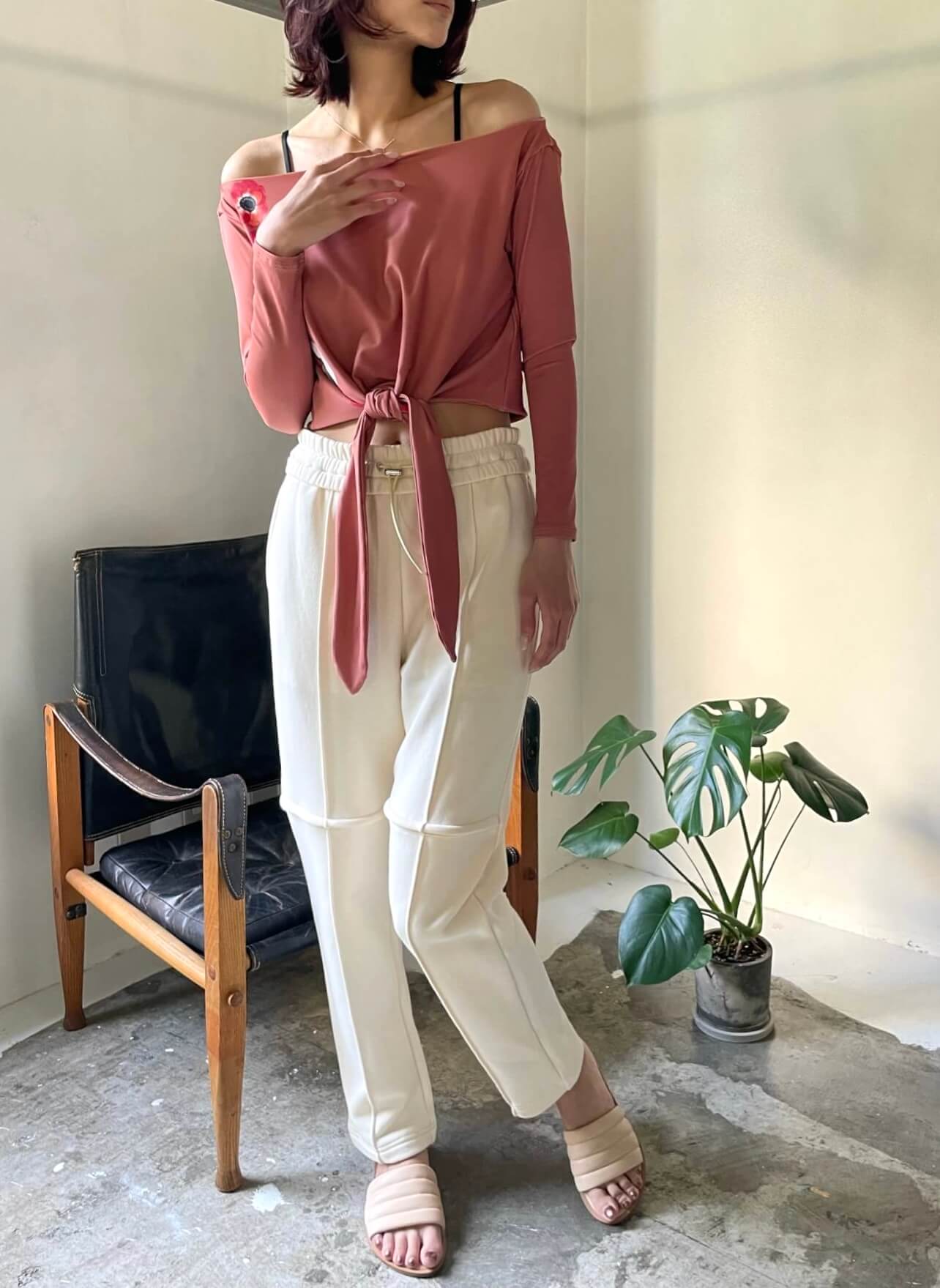
"ANEMONE EARTH Long Sleeve Top"
The charming feature of this rash guard is the watercolor anemone flower, making it perfect for beach wear, or paired with trendy sweatpants for a relaxing look.
You can add nuance to suit your mood by changing the way you tie the waist string or how you show your shoulders, so it looks like it will be fun to think about how to style it.
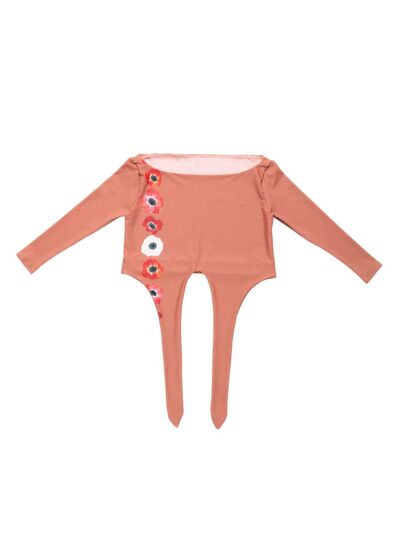
Add to WishlistANEMONE EARTH
Long Sleeve Topロングスリーブトップス
¥25,300
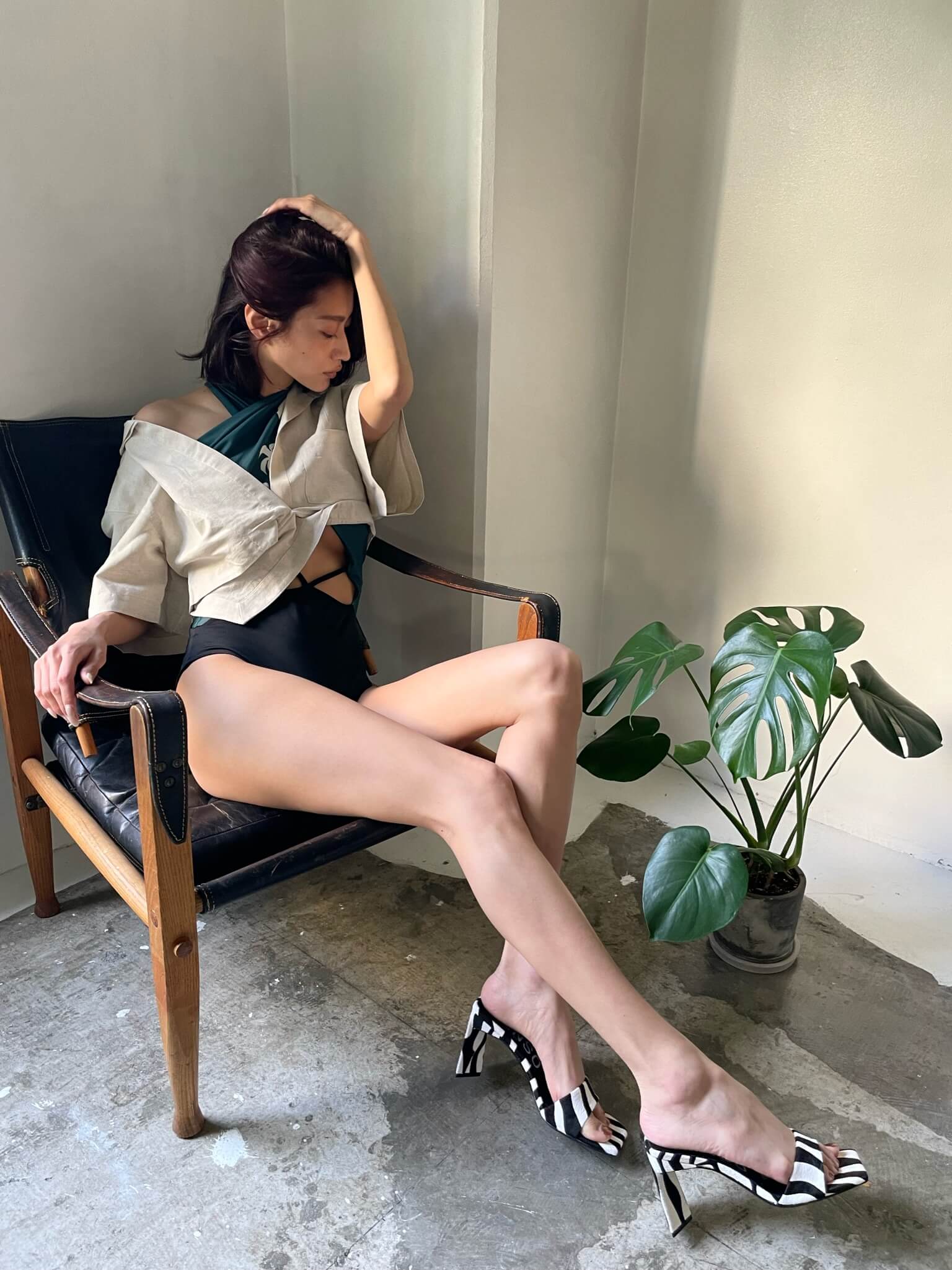
MONSTERA FOREST Cross Over One Piece
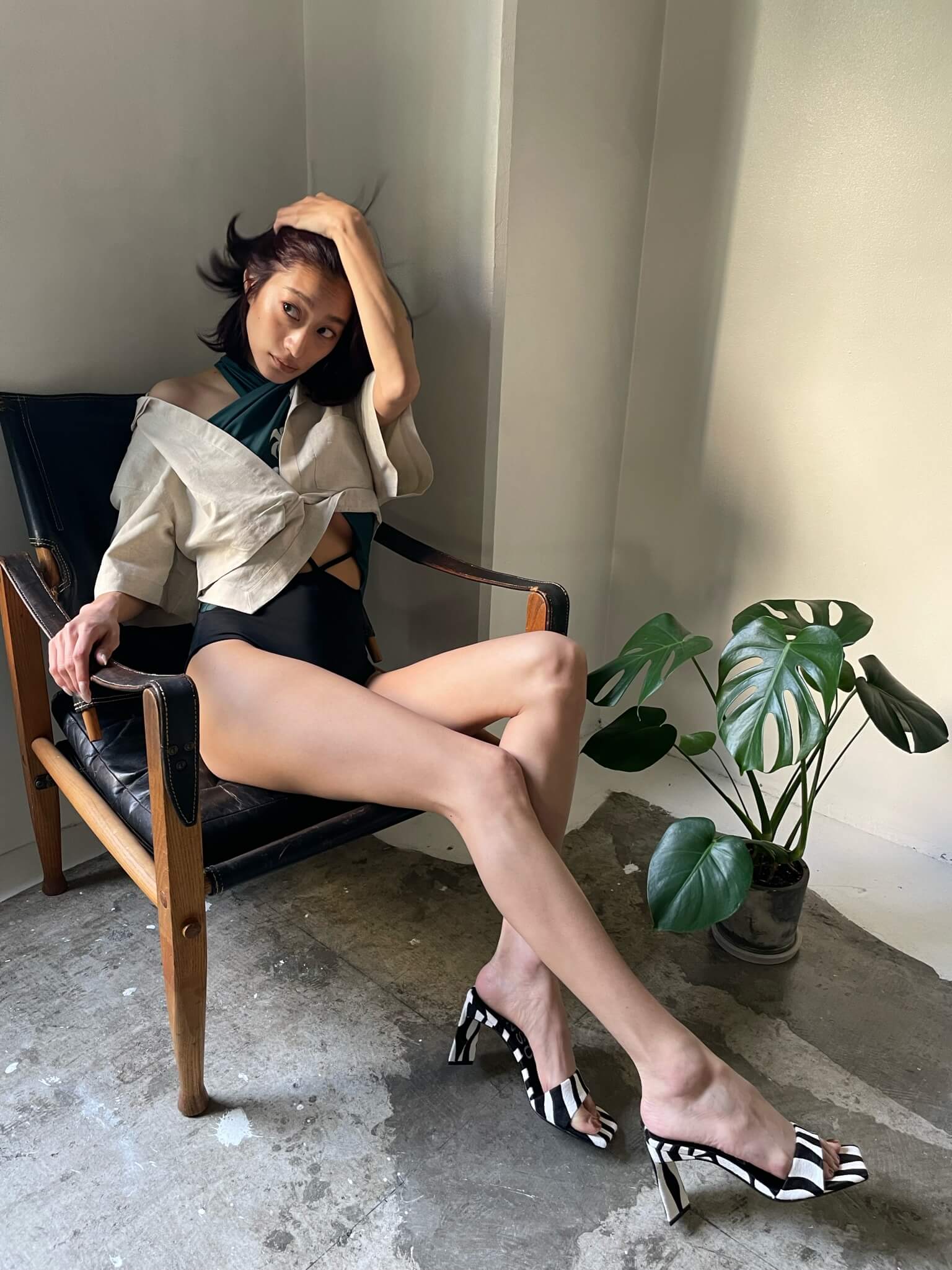
Shirt / Jacquemus
Shoes / senso
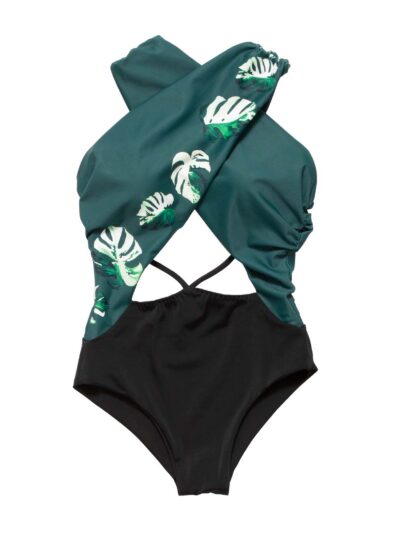
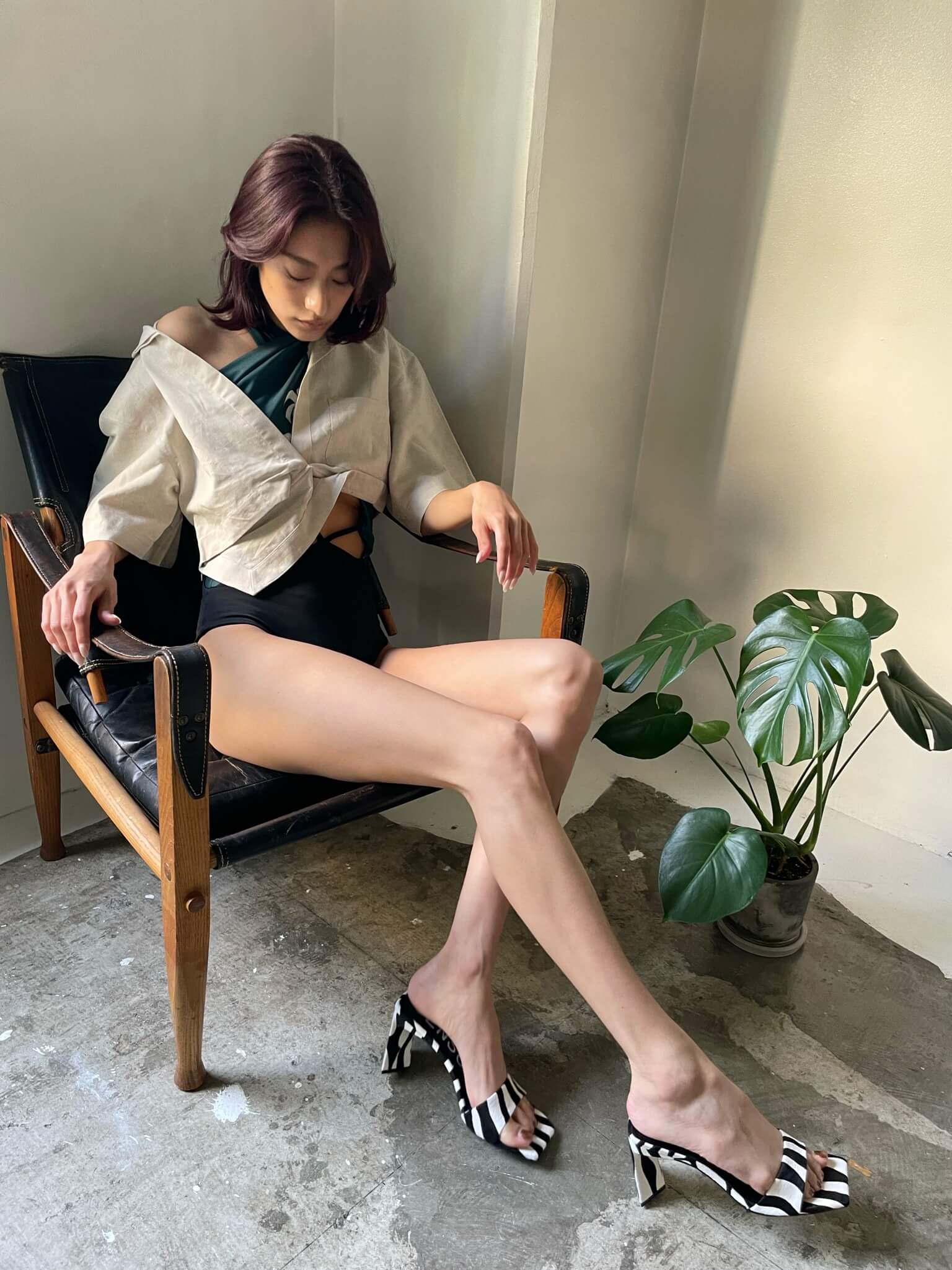
"MONSTERA FOREST Cross Over One Piece"
This stylish and bold dress features eye-catching cuts and can be paired with a stylish cropped shirt for a modern look.
Draws the eye upwards, which is also effective in enhancing your style. For glamorous occasions such as pool parties, accentuate your look with edgy zebra print sandals for a sophisticated look.
Add to WishlistMONSTERA FOREST
Cross Over One Pieceクロスオーバーワンピース
¥44,000
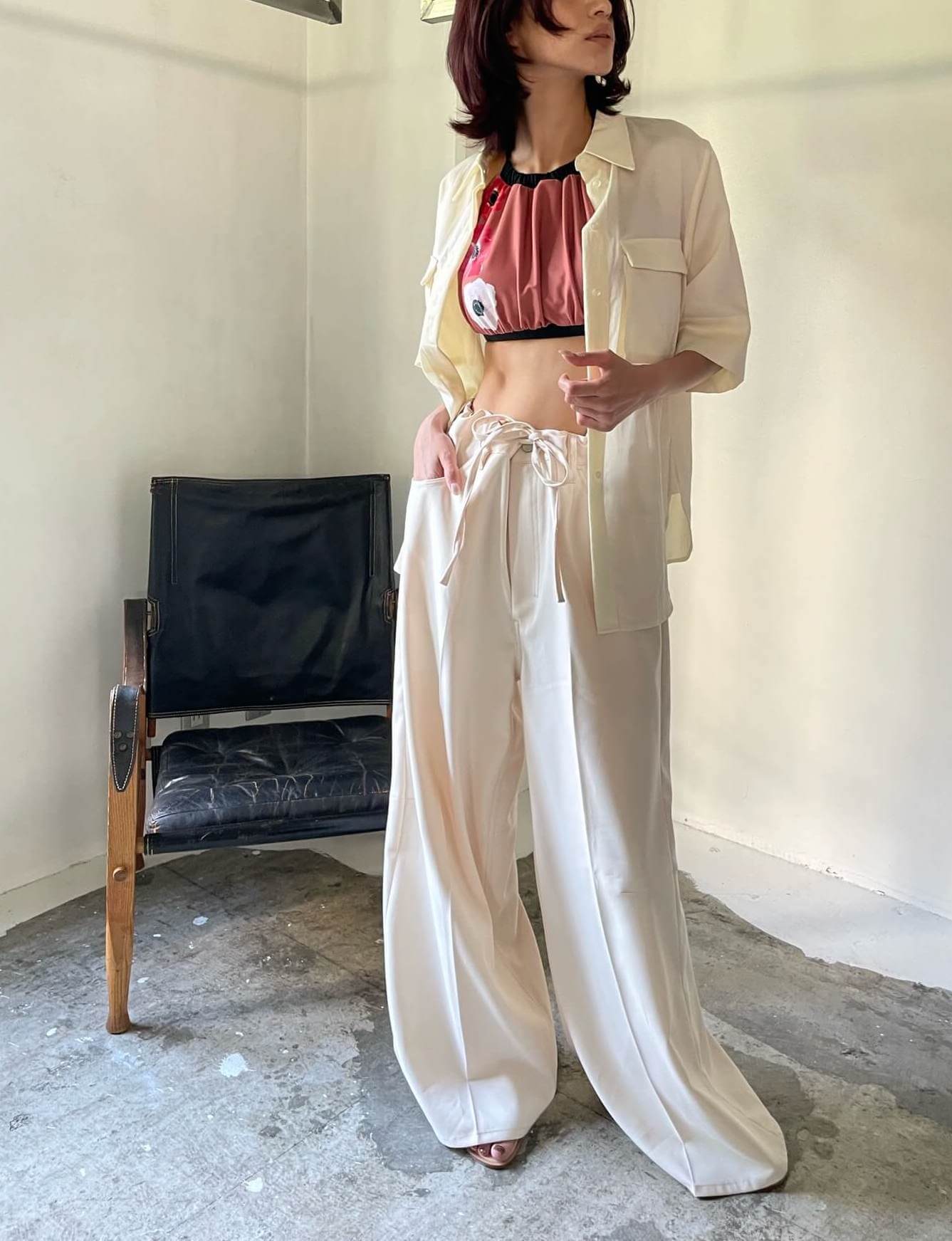
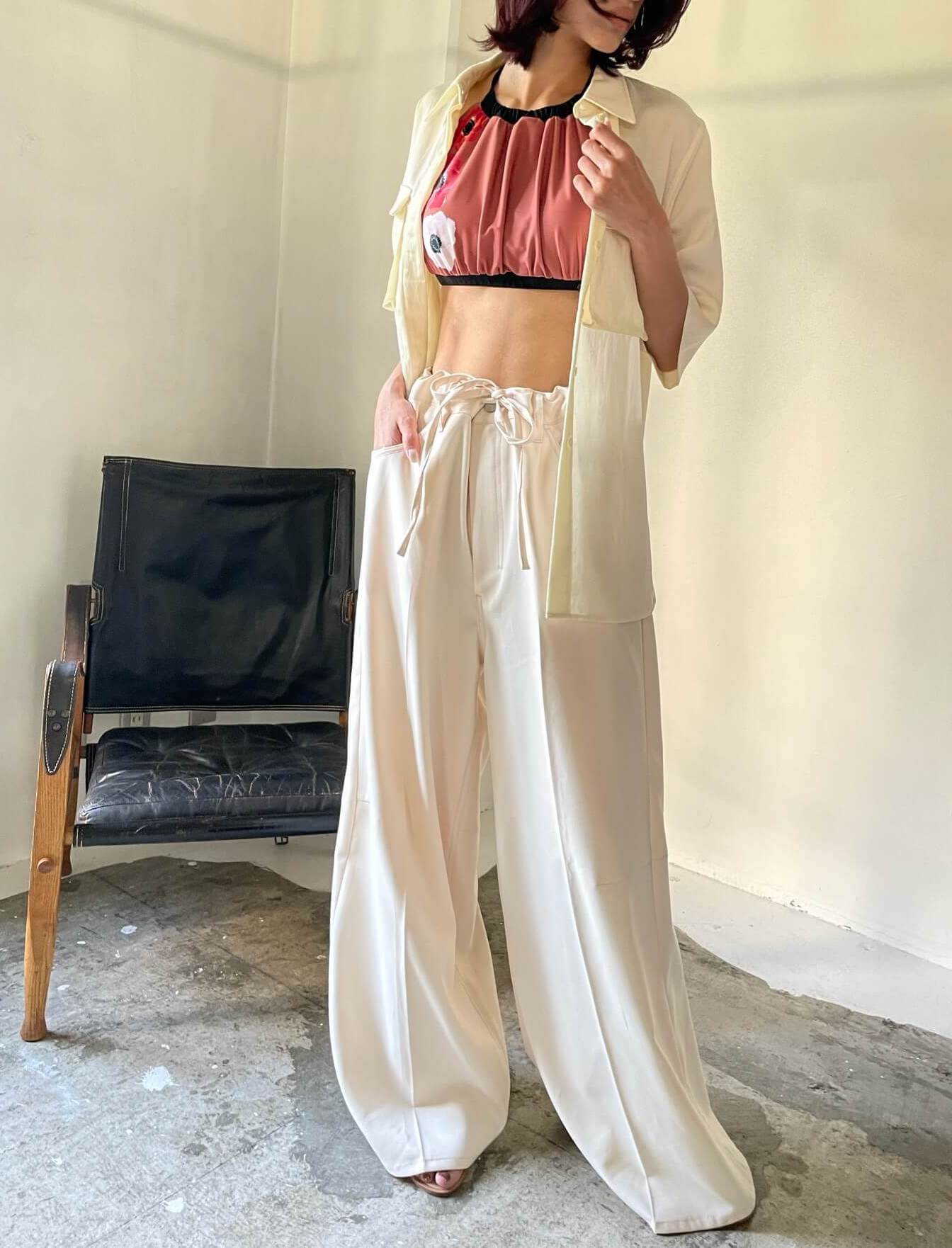
ANEMONE EARTH Bikini & High Waist Bottoms Set
Shirt / SATORU SASAKI
Bottoms / SHINYAKOZUKA
Shoes/Model's personal belongings
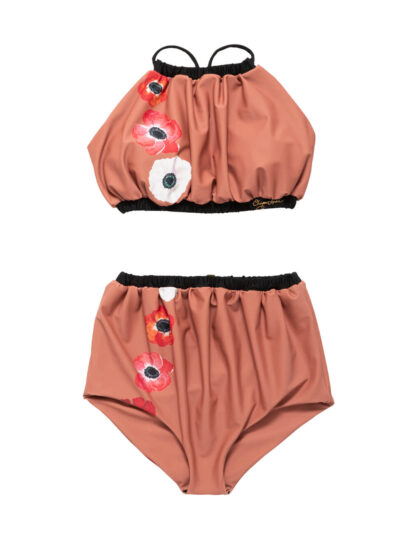
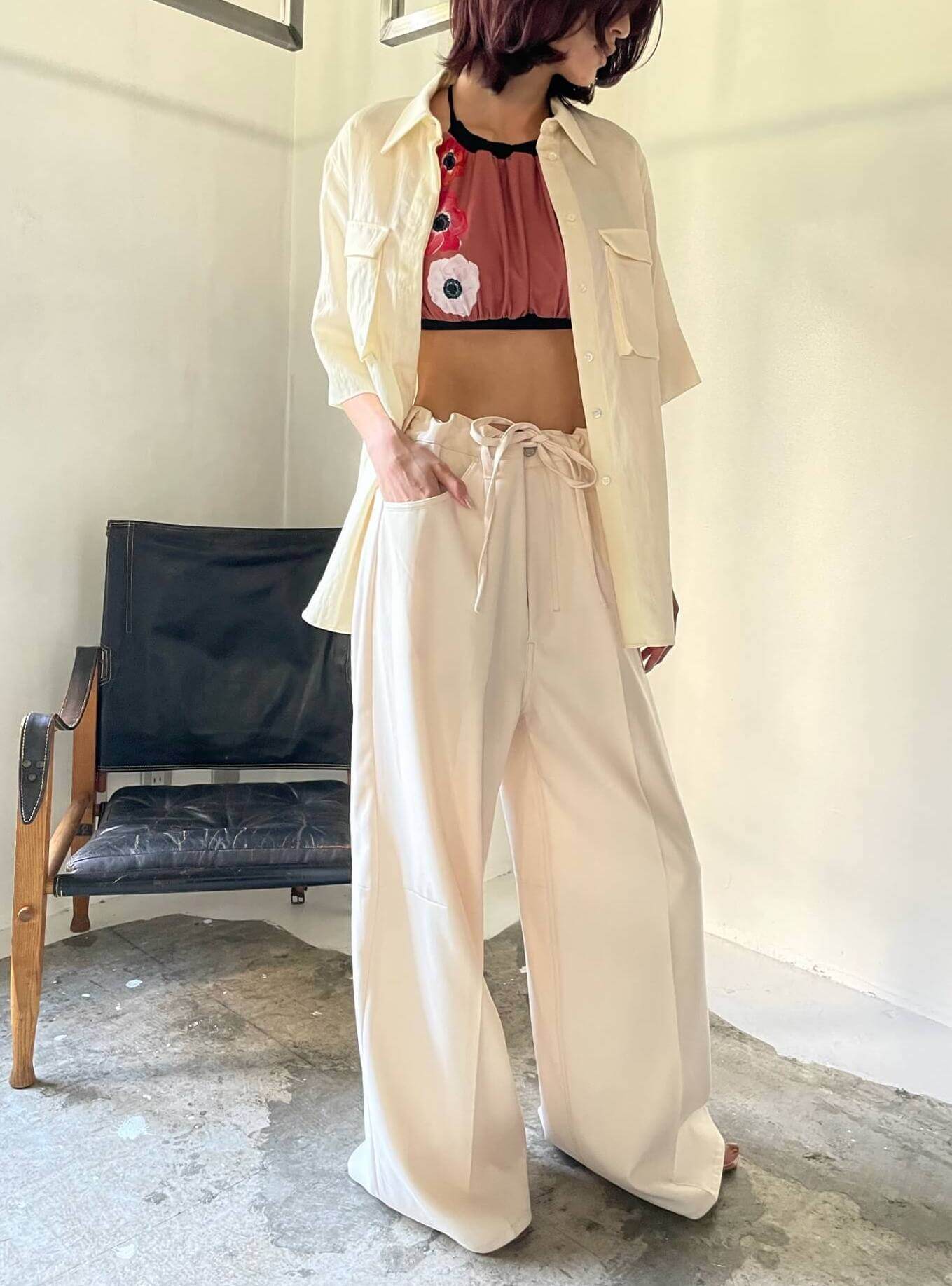
「ANEMONE EARTH Bikini & High Waist Bottoms Set」
This bikini top with a high neckline and sporty design is also recommended as an inner layer to add a touch of glamour to your outfit.
A monochromatic oversized shirt and baggy pants create a mannish style. The shirt is worn loosely to show off the bikini, creating a cool, feminine accent with exposed skin.
Add to WishlistANEMONE EARTH
Bikini & High Waist Bottoms Setビキニトップ & ハイウエストボトム
¥49,500 (tax included)
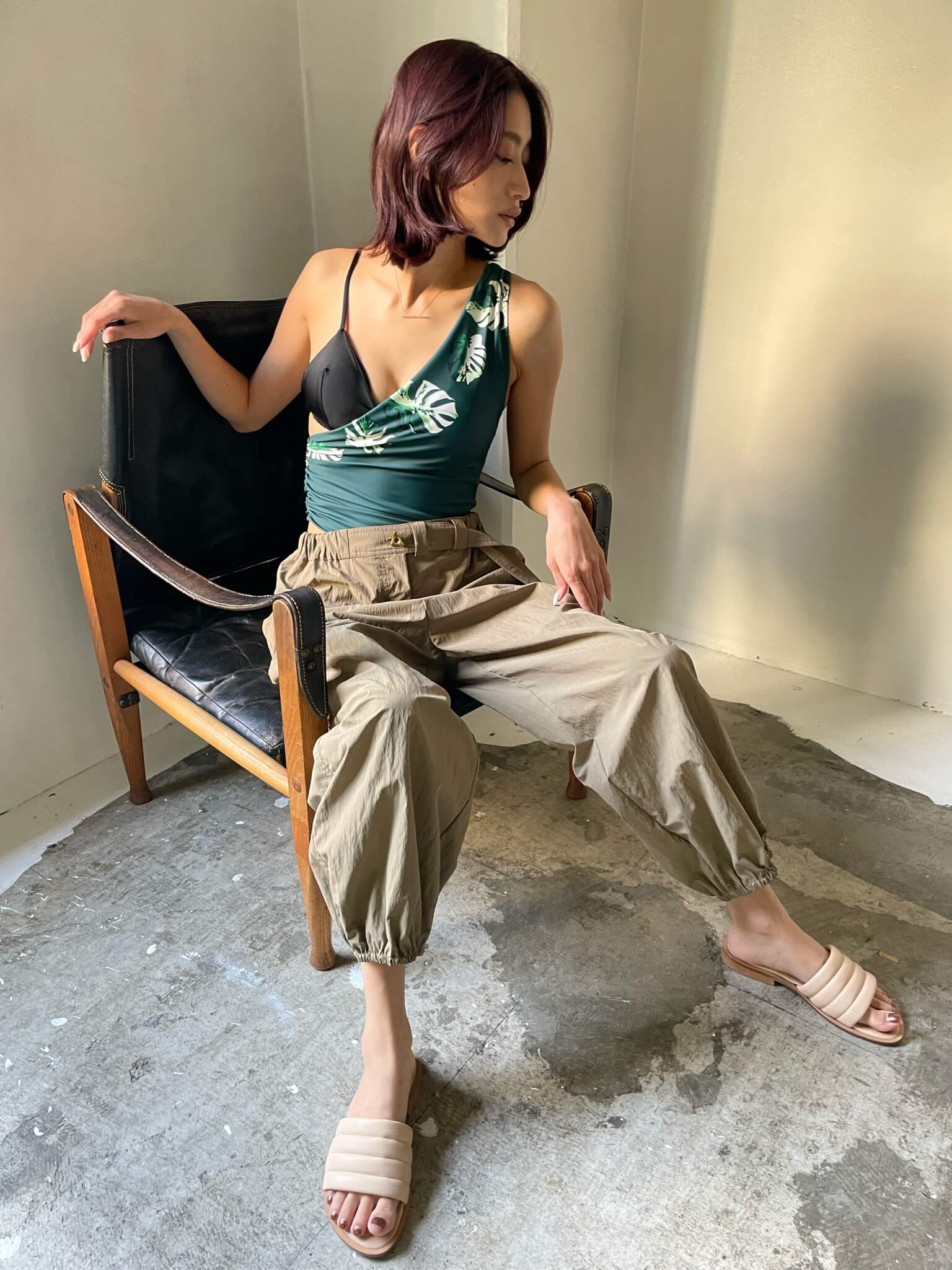
MONSTERA FOREST Asymmetry Two Piece
Bottoms / KINDERSALMON
Shoes/Model's personal belongings
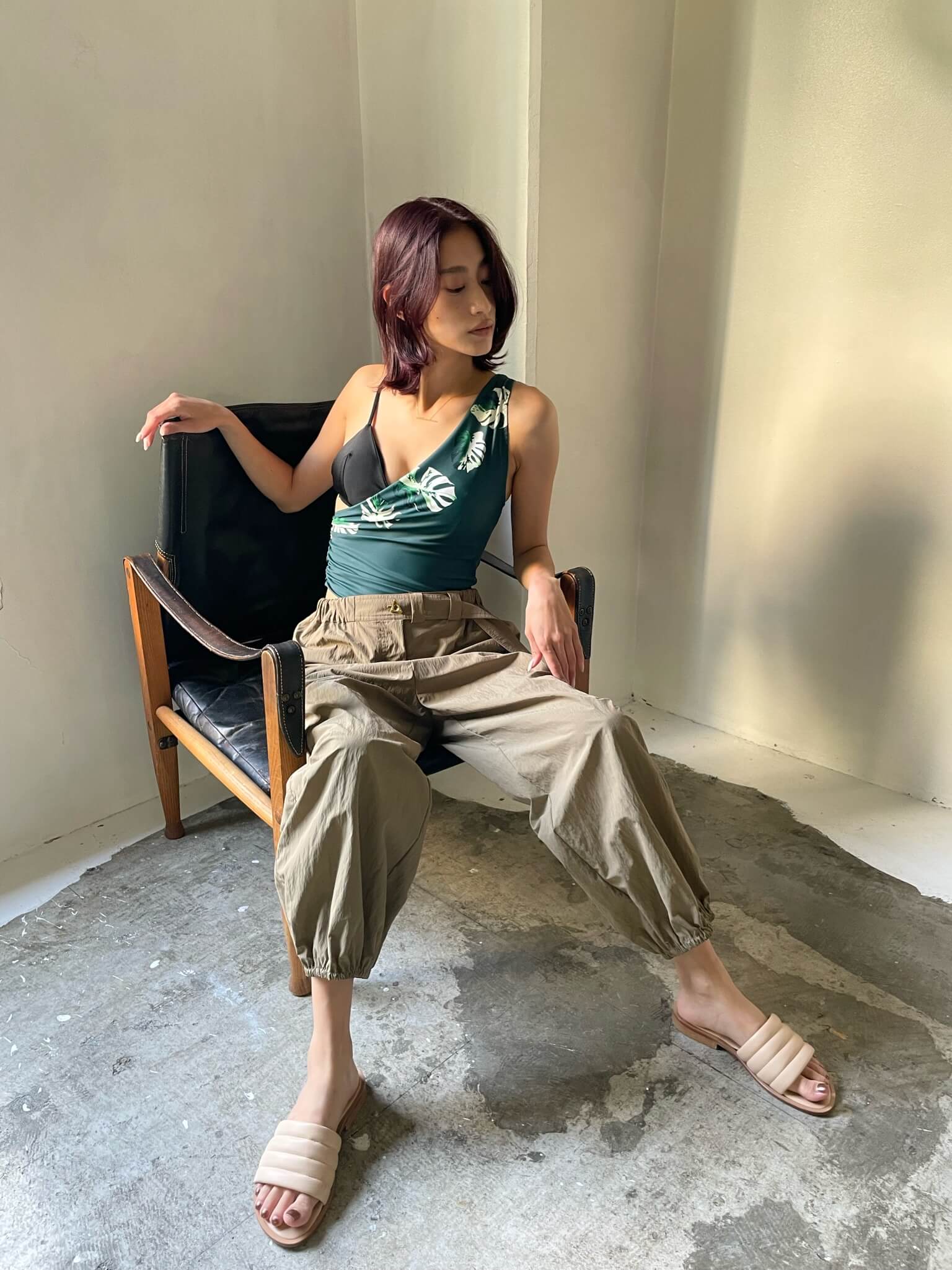
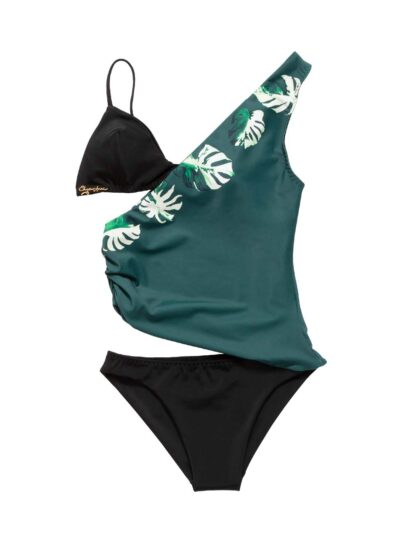
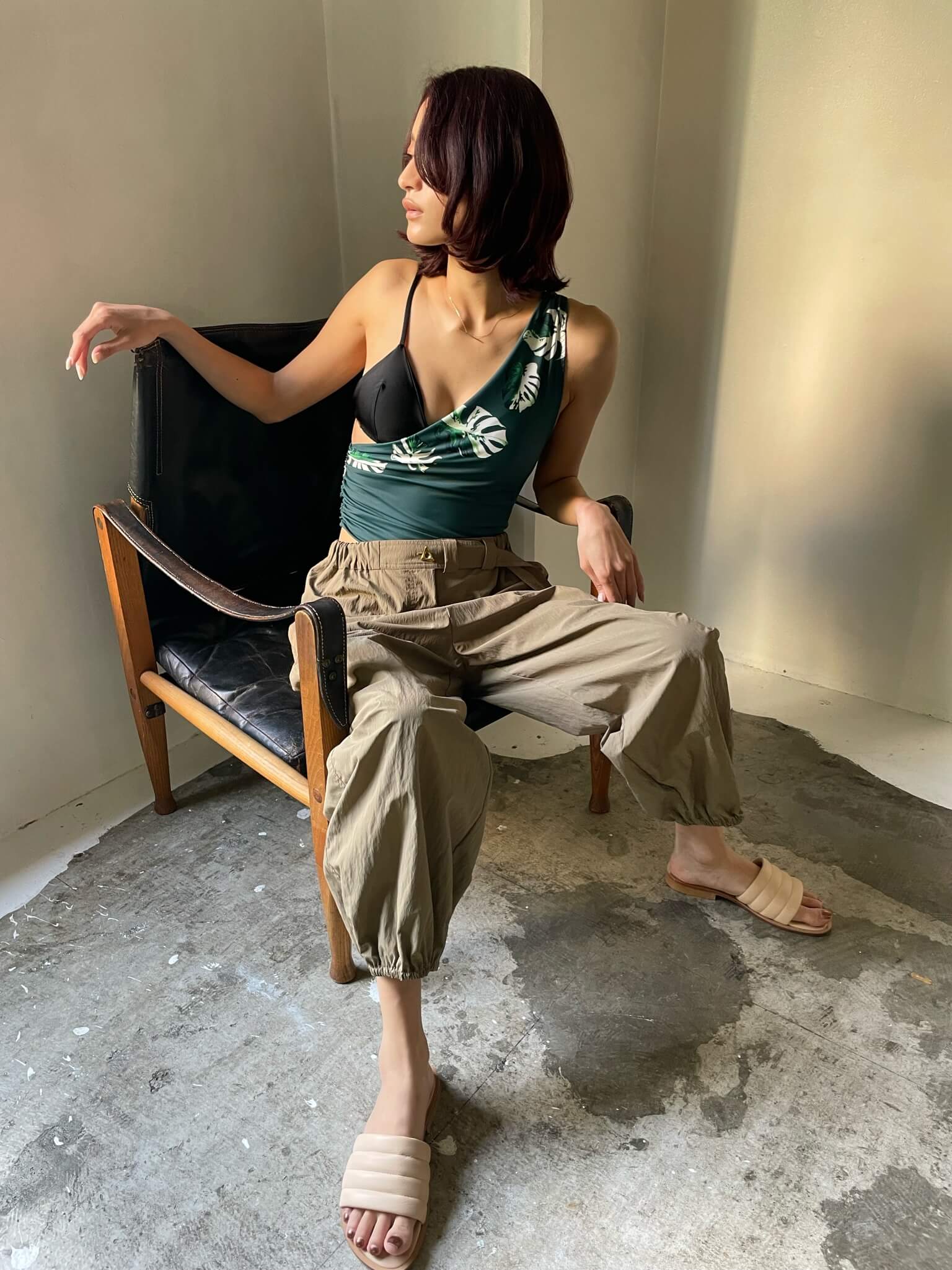
"MONSTERA FOREST Asymmetry Two Piece"
The top was an asymmetrical two-piece outfit that combined a simple black bikini accented with a logo charm with a one-shoulder jumpsuit.
For the bottoms, choose a casual nylon blend material for a contrasting, mature, casual look. Add a jacket or oversized shirt for everyday wear.
Add to WishlistMONSTERA FOREST
Asymmetry Two Pieceアシンメトリーツーピース
¥45,100
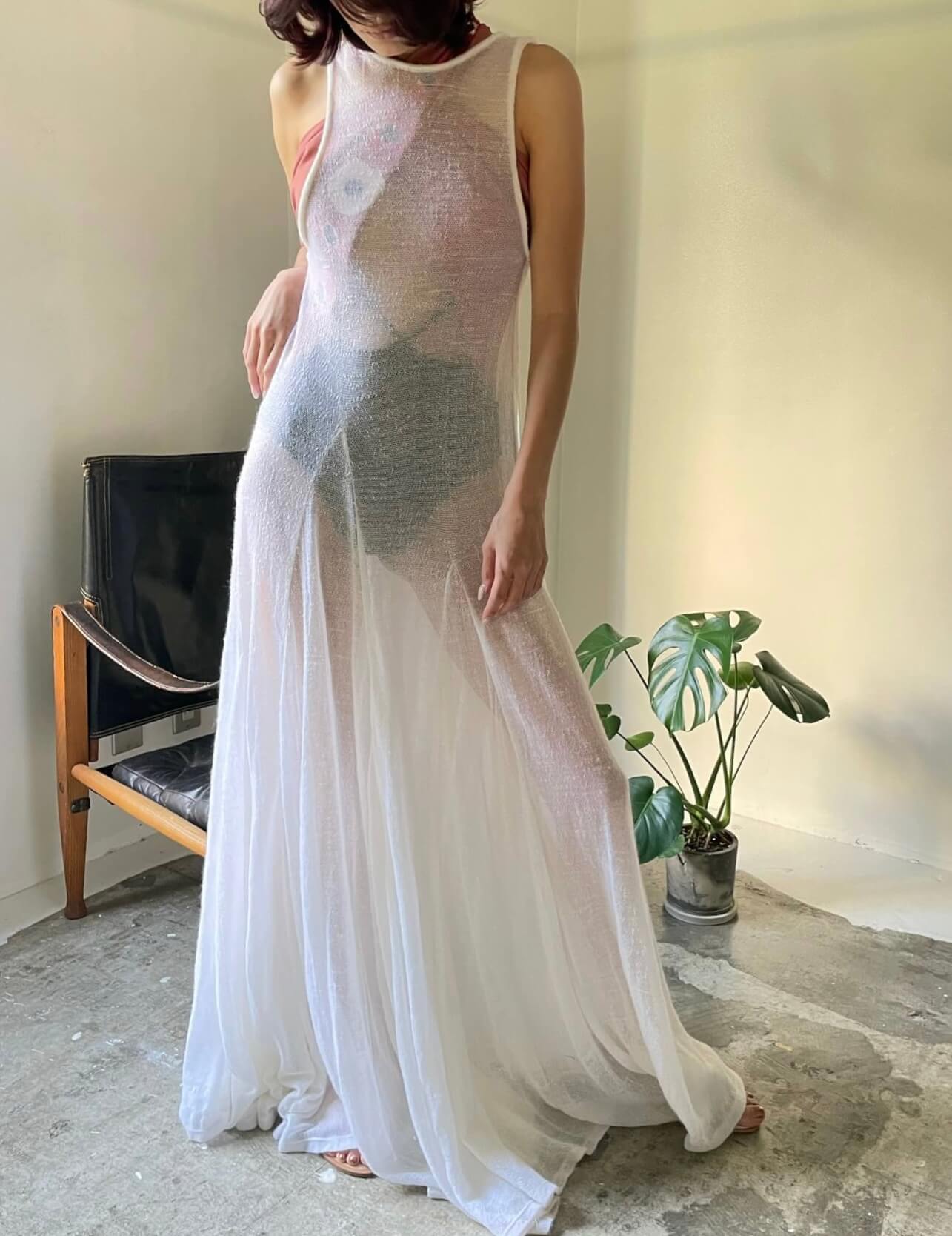
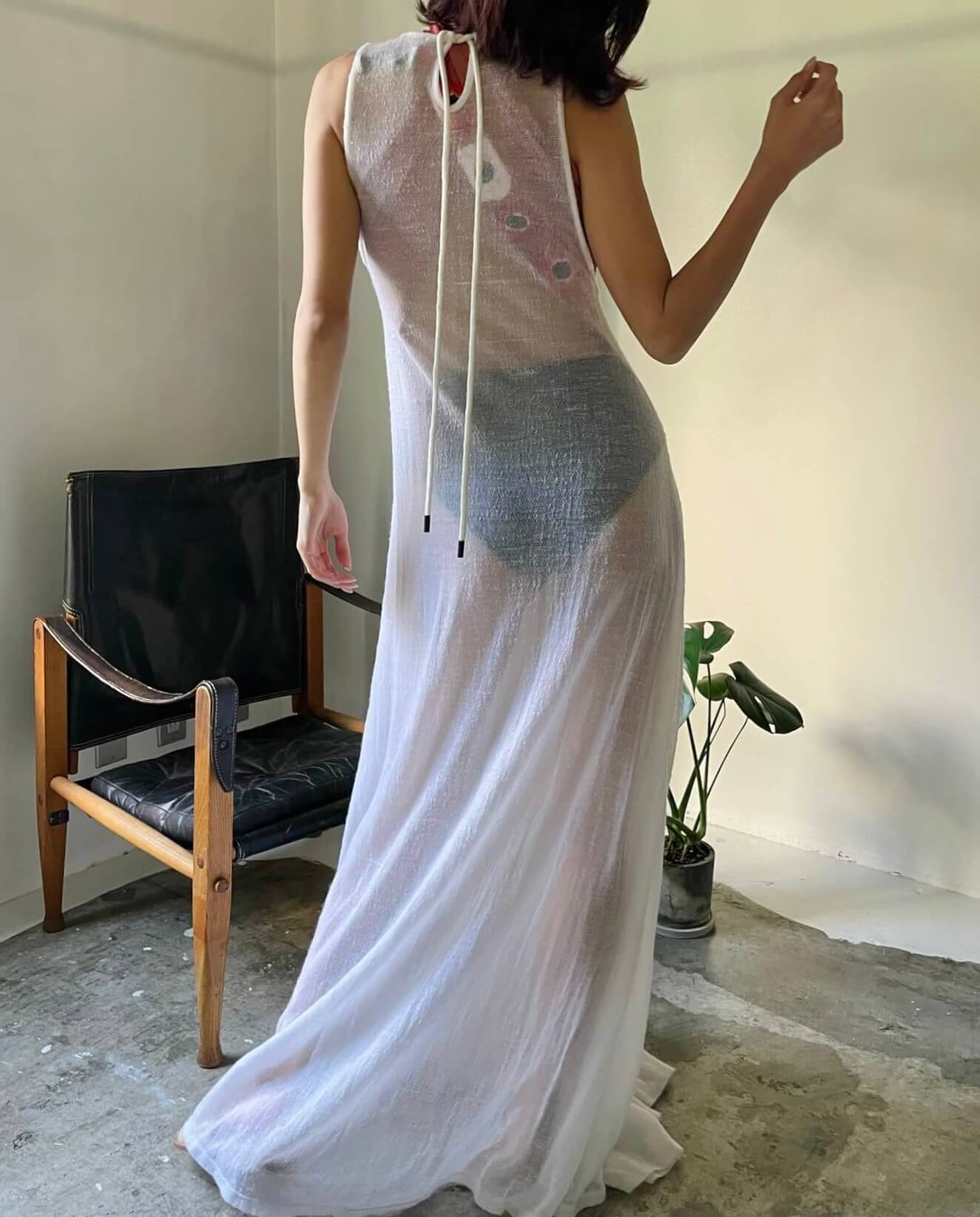
ANEMONE EARTH Cross Over One Piece
Dress / HARUNOBUMURATA
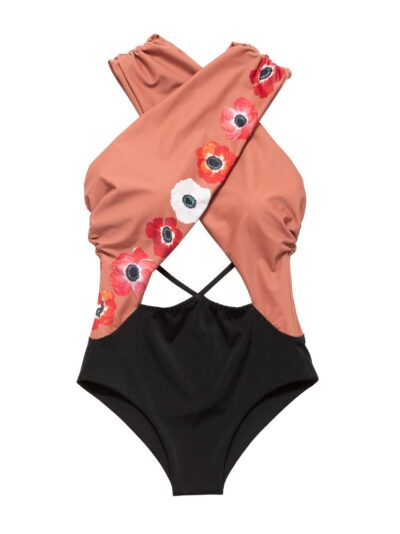
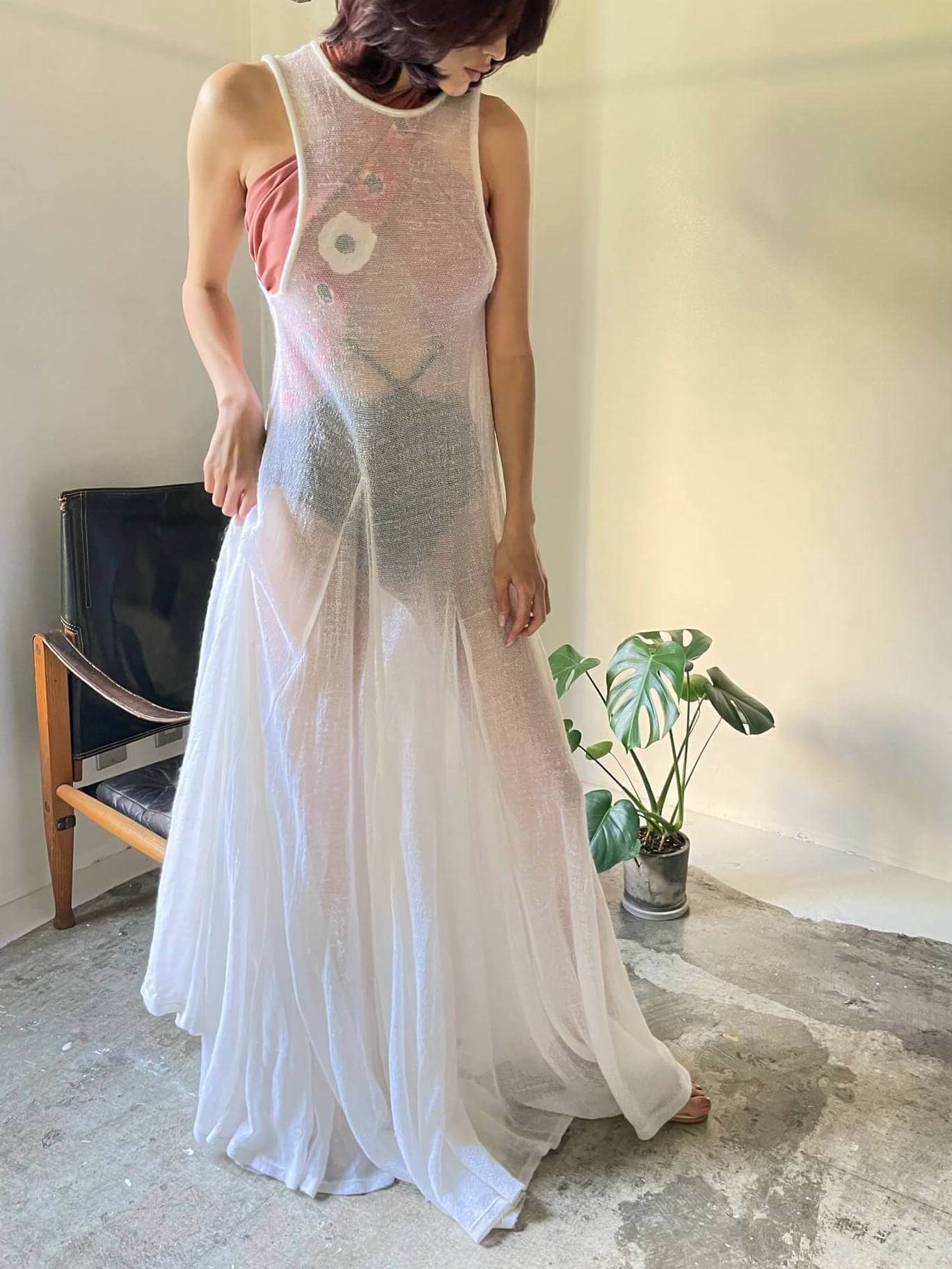
"ANEMONE EARTH Cross Over One Piece"
Why not try some daring styling to lift your spirits at the resort? Layering a sensual white dress that shows off your body line will give you a more sensual and original look.
For your feet, wear flip-flops or other flat sandals to make the look more casual, for a relaxed look.
Add to WishlistANEMONE EARTH
Cross Over One Pieceクロスオーバーワンピース
¥44,000
What’s your favourite piece?
Have you found an outfit that suits you or that you'd like to try?
"Swimsuits are just for swimming"
We hope you will sometimes forget about this concept and have fun creating your own unique outfit!
To all our customers who always support Chiyono Anne
As we enter the December season, we hope that you are all in good health.
We would like to express our sincere gratitude for your continued patronage.
Anne ChiyonoJune 24, 2022 (Friday) ~ June 28, 2022 (Tuesday)to
We will be closed for the summer holidays.
During the periodOur EC siteAlthough shopping is possible at
Product shipments and inquiries will be processed after the holidays.After June 29th (Wednesday)We will respond to your request.
We apologize for any inconvenience this may cause and appreciate your understanding.
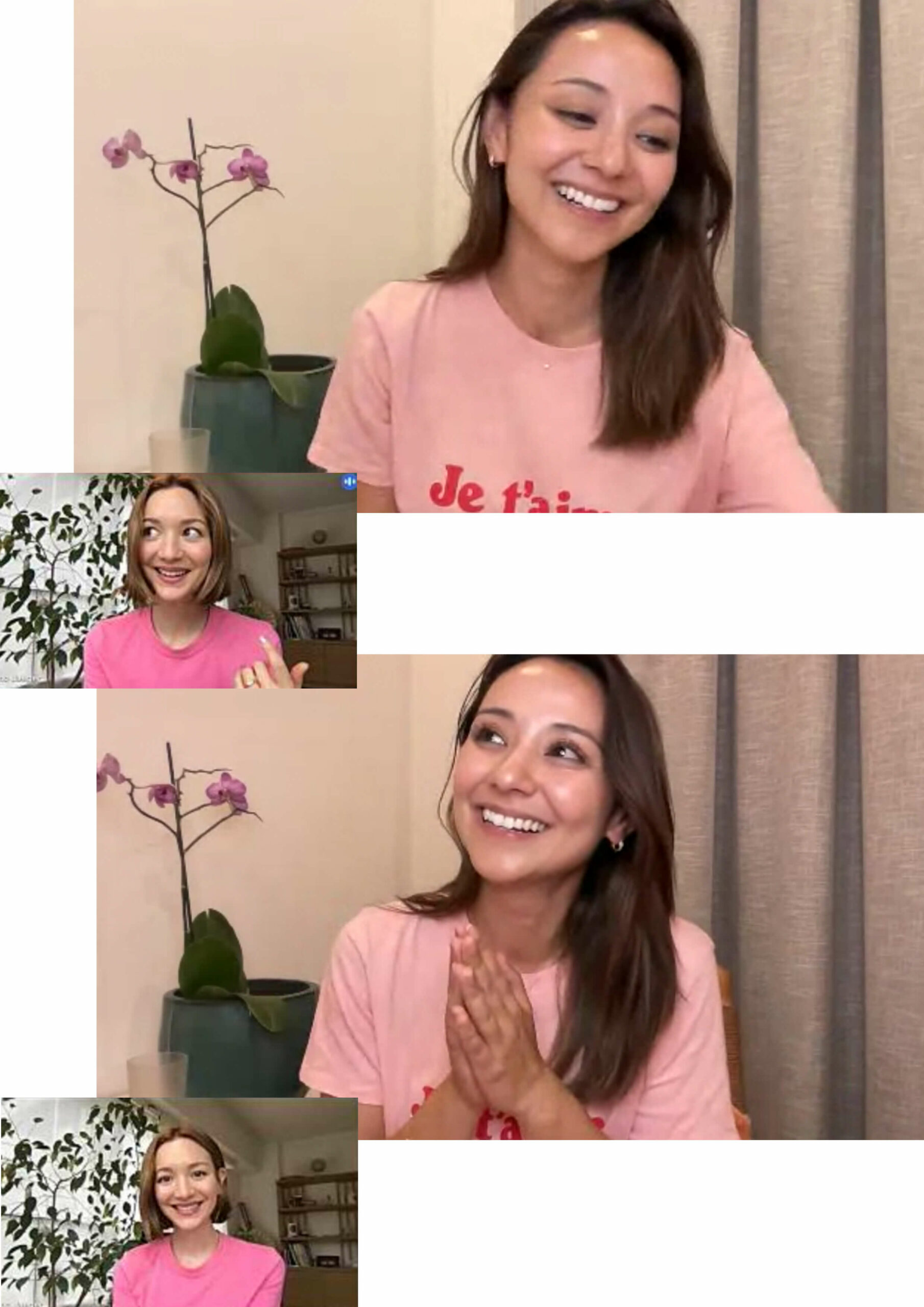
How Sophia discovered "Self-Love"
Chiyono: Hi Sofia! First, please tell us about your current job.
Sofia: Hey Chiyono! I work under the title of "Self-esteem instructor" or "Self-love instructor." Specifically, I guide people who are suffering from mental wellness problems caused by low self-esteem to increase self-love and self-esteem.
Chiyono: I think this is still not a very common job in Japan, so what made you start this job?
Sofia: I've dreamed of working for the United Nations since I was a teenager. After graduating from graduate school in Paris, I got a job at an international organization in France. I was ecstatic that I had won in life because I was able to get into an organization that is said to be even more difficult to get into than the United Nations. However, for some reason, I gradually became mentally ill. I wondered why I was so unhappy, even though I was working in the place I dreamed of and living in the city I longed for. I eventually had suicidal thoughts, and quitting that job was the trigger for me to take the time to face myself. As I practiced several healing processes and gradually felt myself healing, I shared what I had learned and the ideas that were helpful to me on social media, and I had more opportunities to hear people say things like, "It was very helpful" and "I felt the same way," and I felt like I had finally found what I wanted to do in life. I wanted to fulfill this as a job, so I started studying psychology and coaching in earnest, and that's how I got to where I am now.
Chiyono: What do you think was the reason you felt depressed when you thought your dream had come true?
Sofia: I think I was more concerned with wanting to be recognized by my parents and those around me than with whether what I was aiming for was right for me or what I really wanted to do. I had very low self-esteem, so I had a strong desire for my parents to say "well done" and for people around me to think "that's amazing." If you ask me if it was something I really wanted to do from the bottom of my heart, I'm sure the answer was no.
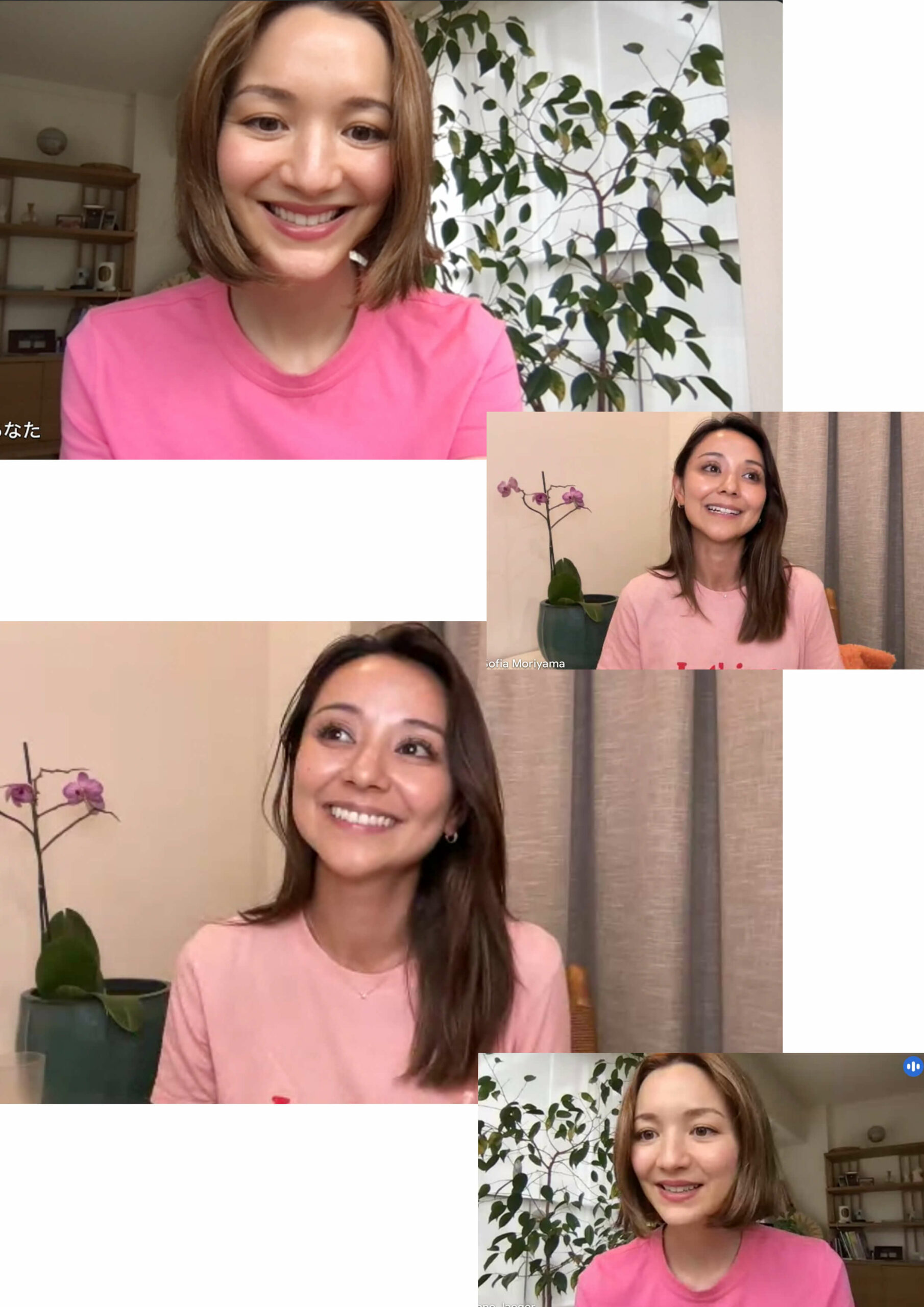
Chiyono: I'm sure there are many people who put a burden on themselves, wanting to be someone respected by their parents or others. They don't ask themselves what they really want to do, and they end up not knowing. Sofia, you were born to a Japanese father and a Costa Rican mother. Like me, have you ever felt any influence from being half-Japanese?
Sofia: Yes. I think one of the reasons for my low self-esteem is that I have strong memories of being treated like a foreigner and bullied during my childhood in Japan. I was born in Japan and only lived in Japan at the time, and even though I thought of myself as Japanese, the people around me didn't recognize me as such. I felt pressured because no matter what I did, I stood out strangely. I was denying my true self, thinking that I had to act more Japanese or do this in order to be recognized by everyone.
Chiyono: That's really unfortunate and a waste. Even if they don't mean any harm, people can be deeply hurt by the lack of understanding of others, and can carry those feelings with them even into adulthood. Perhaps if your true self is denied during your childhood or other periods of your most impressionable years, you may lose sight of what you really want to do and what you like.
Sofia: Maybe there is an underlying trend that when people from different cultures come to Japan, they are told, "You're a foreigner, but please behave like a Japanese person." Like, "You're just a visitor, right?" But in order to accept more diversity in the future, I think it's important to accept that "you're fine just the way you are."
Chiyono: That's right. For example, culture and tastes such as what clothes to wear and the language to choose to speak are important forms of self-expression that humans have free will. It's wrong to unilaterally impose rules on such individuality.
Sofia: I think it's the same even between Japanese people. Even though each person has their own unique personality, there is an unspoken rule everywhere that you have to be the same as everyone else.
“
"You're fine just the way you are."
It is important to acknowledge that"
What does Sophia think about "self-love"?
Chiyono: Indeed, on the other hand, there may be many people who have a complex identity that they cannot use as an excuse for being a foreigner or half-Japanese, and feel that "I should be like this because I'm Japanese." Of course, it's not just nationality, but also because I'm a woman, a mother, or because I'm xx... So, what does Sophia think self-love is?
Sofia: I think the first thing is to love and accept yourself as you are. It may be very difficult, but you can make an effort to become that way, or change your way of thinking little by little so that you can become that way. I think that in itself is self-love. The second thing is to forgive yourself. Many people have a hard time forgiving themselves for mistakes or failures that hurt someone in the past, and they feel guilty. If you feel guilty, it's hard to forgive yourself. If you can't forgive, it's hard to love yourself. But there's no such thing as a perfect person in the first place. Everyone makes mistakes. It's important to acknowledge that and forgive yourself.
Chiyono: Accepting things as they are and loving them, letting go of past guilt and forgiving yourself. I see, that's right. Anything else?
Sofia: It's also important to take care of both your body and mind in a balanced way. Find what makes you feel good both physically and mentally, including the exercise, food, and clothing you choose, and continue doing it.
Chiyono: When it comes to comfort, everyone has different priorities. For example, for me, I feel excited when my skin is in good condition or when I'm wearing my favorite lingerie, so those are my priorities. But for Sophia and others, it might be completely different. That's why you need to take the time and energy to listen carefully to yourself and what you want and what you're lacking. And then, it's important to make up for the elements that you're currently lacking.
Sofia: That's true. However, in reality, we are all so busy with our daily schedules that we tend to put off listening to our inner voice. Some people have so little time that they barely have time to sleep. That's why I think it's important to make time for yourself first.
Chiyono: Everyone only has 24 hours in a day, so time management is a very important life skill. The first step may be to take the time to listen to yourself and take care of yourself at a comfortable pace, whether that be daily, weekly, or monthly.
Sofia: Many of my clients tend to overcommit on a daily basis. For example, they can't say no when someone asks them to do something. People like that first need to face why they can't say NO. Is it because they're afraid of hurting the other person, or because they're afraid that they won't get something if they don't go? I think it will be easier to secure your own time if you think about what to say the next time you're invited.
Chiyono: It's true that if you push yourself too hard, even cutting into your own time, out of fear that turning down an invitation will make you feel like you've lost out or that you'll never be invited again, it can throw off your balance.
Sofia: That's why you need to remember that your own time is important to you. If you don't have time for yourself, you'll get irritated and take it out on the people you like, and you won't be able to perform at your best. It's important to understand that you can't be your best self unless you make it a priority and secure this time.
“
What is Self-Love?
Love, accept and forgive yourself as you are"
A process for dealing with self-criticism and self-negation
Chiyono: How should you approach people who have such self-denial and self-critical tendencies?
Sofia: First of all, I want to tell you that if you are aware of your complexes and negative thoughts, that is a big step and amazing in itself. Most people have such complexes but don't realize it or don't want to admit it. The next step is to face your own feelings and memories and ask yourself, "Why am I not confident? Since when have I had complexes?" For example, if you feel complexed about the words "too manly" or "act more feminine," try to remember when, what happened, and who said what to you. Maybe events like when you were in junior high school and a guy you liked called you to be too manly, or when you wore girly clothes and your female friends teased you for being a bratty girl, have instilled fear and feelings of inferiority in you.
When you look back as an adult, you'll realize that it was just a middle schooler's opinion, not necessarily a fact. You'll probably realize later, "Why did I believe what a 13-year-old told me?" This process is called inner child healing, and for some people, it can be hard at first, and they may cry because they don't want to remember, but there is light at the end of the tunnel, so I hope you'll give it a try.
Chiyono: It seems like getting there would be a sense of freedom. Some of Chiyono Anne's customers are attracted to sensual designs like all-lace bras and thongs, but decide that they can't wear them, or that their breasts have changed shape since giving birth and they can't wear those kinds of bras.
Sofia: In psychology, we call these limiting thoughts that we have inside of ourselves true. No one is born with these thoughts, they are something we have created in the course of our lives. If you want to wear something but don't give yourself permission to do so, I think it's an important process to reflect on why that is.
“
There is light at the end of facing the causes of your complexes
"
Chiyono: Some of these may be traditional restrictions or assumptions, such as ideas about chastity, that have been created outside of personal experience.
Sofia: I think many people are afraid that if they suddenly wear sexy lingerie that is different from usual, their partner might not love them or accept them. But if he really loves you, he will love you no matter what you wear, so I want you to realize that this is not the case. What suggestions do you have for such people?
Chiyono: When I say sensual design, I don't just mean the appearance, I also think about the texture and the change in feeling when wearing it. So, the design is orthodox, but I make it so that you can feel the sensuality when the high-quality silk material touches your skin, or if it's a negligee, you can feel the silk fibers all over your body when you walk, and you can feel feminine through the touch. Or the feeling of wearing your favorite color, even if you can't wear it as an outerwear. I listen in detail to the feel of the skin and how you want to look when you look in the mirror, and try to incorporate that into the design as much as possible.
Sofia: Creating lingerie for yourself with Chiyono Anne may be a kind of healing process. I think the brand philosophy has the message that every body is beautiful, every body is worthy of wearing beautiful lingerie, and body shape doesn't matter. This is something that Chiyono herself can say because she has seen the bodies of thousands of women, so it's really convincing.
Chiyono: Indeed, as a brand, we have always been saying that we make lingerie for ourselves, rather than for our partners, and many people actually come to make lingerie as a reward for themselves or to increase their motivation. For such people, by showing their true selves to others (me) and honestly telling them what they like and dislike in an open environment (the atelier), they may realize that the things they felt insecure about are not actually something to be ashamed of. I believe that by looking at the finished lingerie, they can remember the feelings and images they had imagined when wearing it before making it, and get a little closer to the person they want to be, which can lead to self-love.
Sofia’s Hint:
Quick Training to Start Self-Love
Daily Affirmations
Chiyono: Finally, could you tell us some tips and methods for easily trying to reset your mind in your daily life?
Sofia: Affirmations are something you can do easily, anytime and anywhere. In other words, positive words. For example, say positive words like "I will take better care of myself" or "I will start to love my body" out loud many times a day. There is always a lot of information flowing through our heads, and the more negative people are, the more negative words they hear. To resist this, repeating positive words to yourself will change your thought process. This has actually been scientifically verified. There are many affirmation videos on YouTube, so I recommend listening to them while commuting. Are you doing anything, Chiyono?
Chiyono: I don't know if I can call it affirmation, but before I go to sleep, I try to tell my partner what happened today and what I'm thinking, as if I'm writing a diary. Even if I make a small mistake, I'll do this next time, or I'll change like this from tomorrow. I also write things down on paper. Because of my job, I often absorb things visually, so I feel like putting things in writing makes it easier to accept them.
Sofia: I think writing it down on paper is a great idea. I also recommend sticking the paper you wrote on somewhere you can see it, or taking a photo of it and setting it as your smartphone wallpaper. Different people find different ways to accept it, so it's best to do it in a way that suits you.
Chiyono: Are there any golden words that you would recommend to people who are new to affirmations?
Sofia: The standard affirmation is "I love and accept myself," but some people reject it, saying, "No, I don't love myself or accept myself." In that case, try arranging it into words like, "I am starting to love myself" or "I am starting the process of loving myself," whatever words resonate with you. Affirmations are concepts, not set words, so feel free to start with words that resonate with you.
Chiyono: It's important to continue using words that are comfortable to you. Can you tell us some tips on how to make it a habit?
Sofia: I do it as soon as I wake up in the morning, so I can start my day with a good feeling. However, everyone has their ups and downs, such as when someone calls me and I feel down, or when the weather is bad and I'm tired, so I set my smartphone alarm for lunch and evening and repeat the affirmation words I've decided. I call it the "joy alarm," and when the alarm goes off, I read out five words three times each. It doesn't have to be out loud, and it shouldn't take more than a minute. If you're conscious of smiling at that time, your mood will stabilize. Just smiling releases happy hormones, so I recommend doing it three times a day as a habit.
Chiyono: It's probably similar to a supplement. It doesn't have an immediate effect, but it gradually permeates all of your cells and before you know it, you start thinking that way.
Sofia: When I first saw the affirmation "I love and accept myself," I thought, "What is this? Isn't this stupid? There's no way I can change just by saying something like this." At the time, I really rejected it, but I still wanted to change, so I tried it.
Chiyono: It's amazing how even people who thought like that can change so much. I've seen it on Sophia's Instagram, but I realized I wasn't doing it for myself. When I'm busy, I tend to put it off, but it doesn't take much time, so I thought I'd try to make it a habit starting tomorrow.
Sofia: I think that there is only one person who will always be with you in your life, and that person is yourself. Because you are the only person you will be with for the rest of your life, I want everyone to improve their relationship with themselves, cherish themselves, and create a happy life.

Moriyama Sophia
Born in Japan, educated in Paris, Sydney, Costa Rica and Japan. Graduated from the Master's program at Sciences Po Paris. Trilingual in English, Japanese and Spanish. Works as an internationally certified NLP practitioner, CBT practitioner and life coach, spreading knowledge on how to cultivate self-love and self-esteem and mental wellness, with the mission of empowering as many people as possible.
Instagram:@lovelightsofia
Based on the theme of "Borderless," Chiyono Anne's "Silk Pajama Set" is an item that can be used seamlessly across various boundaries such as gender, age, and body type.
Another plus is that it can be worn in any situation, whether it's relaxing at home, going out or dressing up, depending on how you coordinate it.
This time, together with my friend Sakiko, the director of ADELAIDE, I will be introducing borderless styles for the Silk Pajama Series.
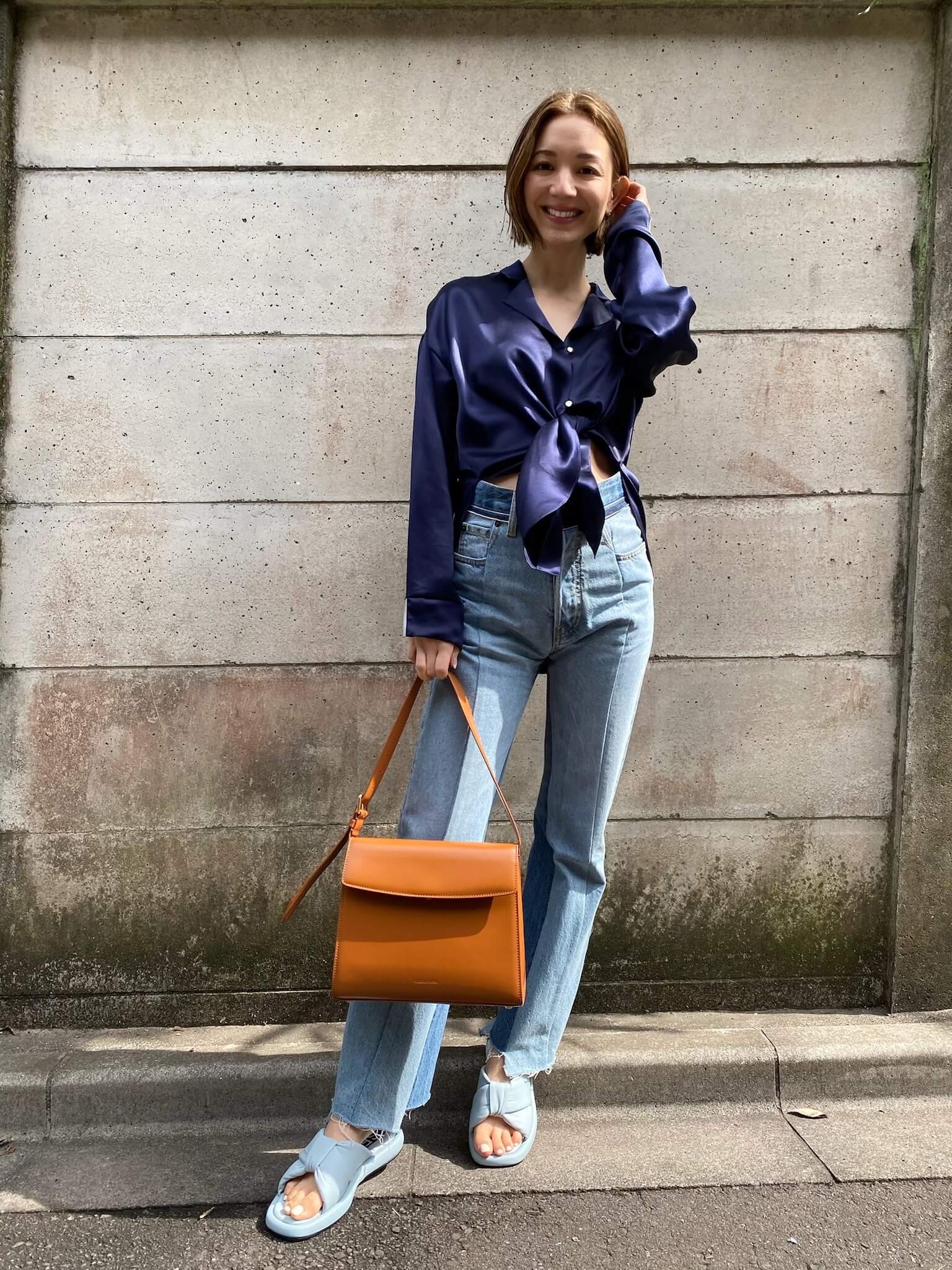
Pair it with high-waisted jeans and matching leather sandals
Navy Shirt
These pajama shirts come in two sizes, SM and ML, and feature a loose silhouette that can be worn by both men and women.
This item is cute whether worn oversized for a relaxed look, or with the hem narrowed for a cropped length.
By wearing high-waisted denim bottoms, you can create a casual look that matches the trendy Y2K mood.
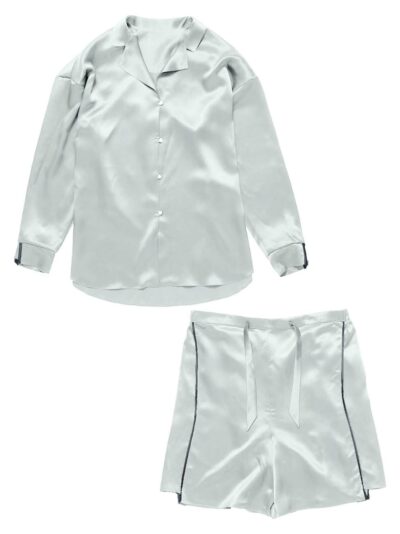
Add to WishlistCA Home
Silk Pajama SetSilk pajama set
¥92,400
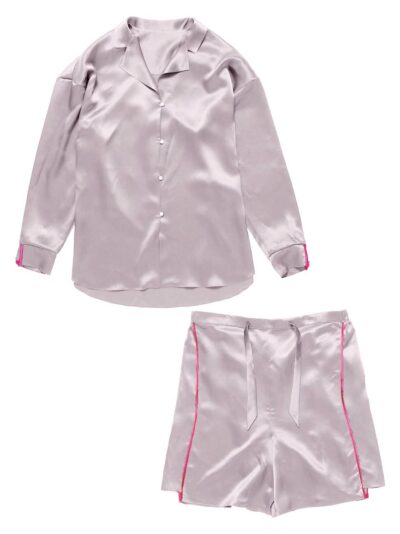 LILY × SHOCKING PINK
 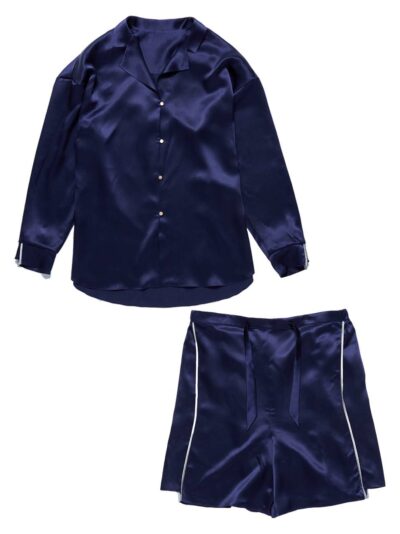 NAVY × STEEL
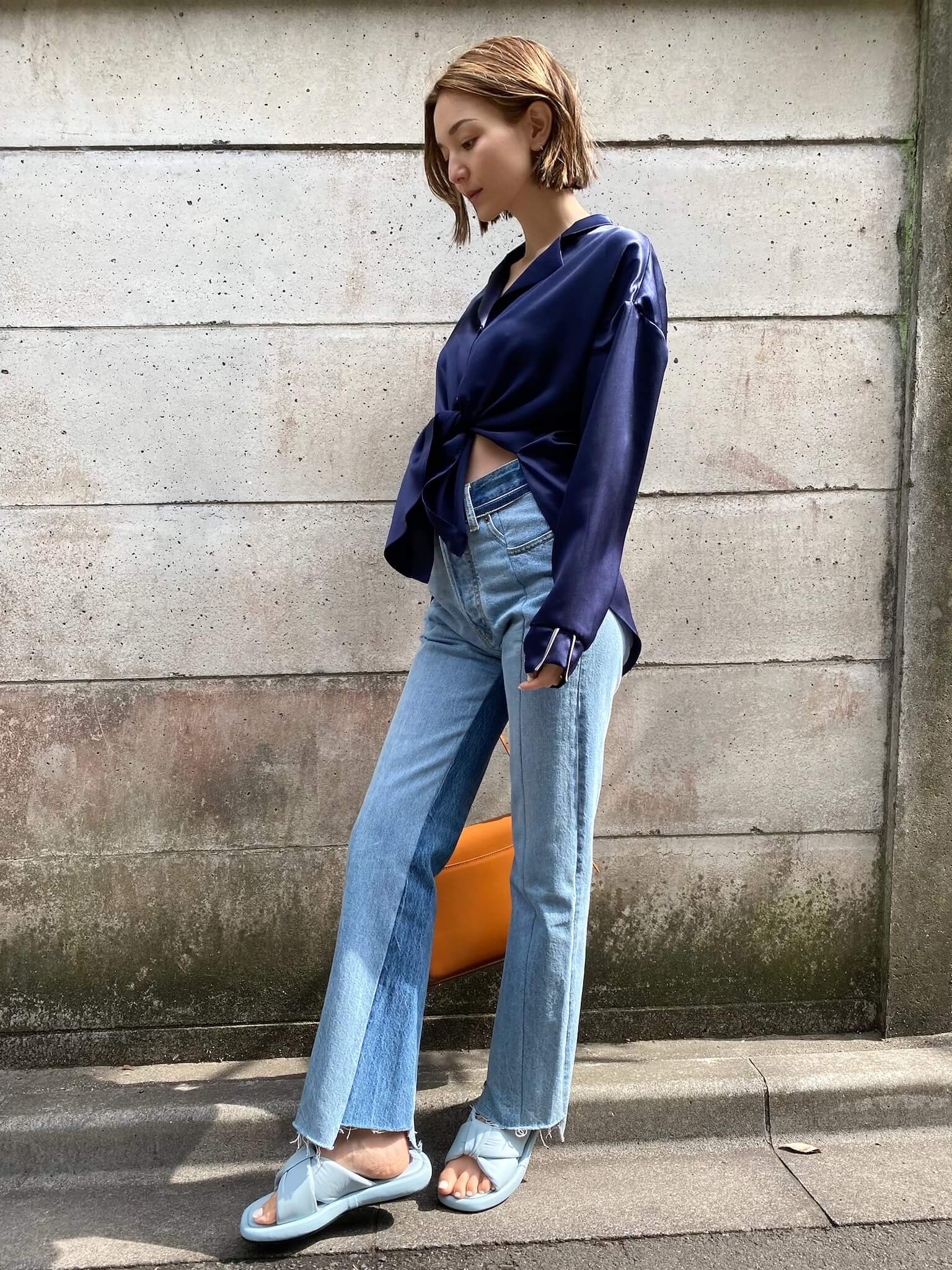
An elegant way to wear an oversized shirt tied in front and with a long length hanging down at the back
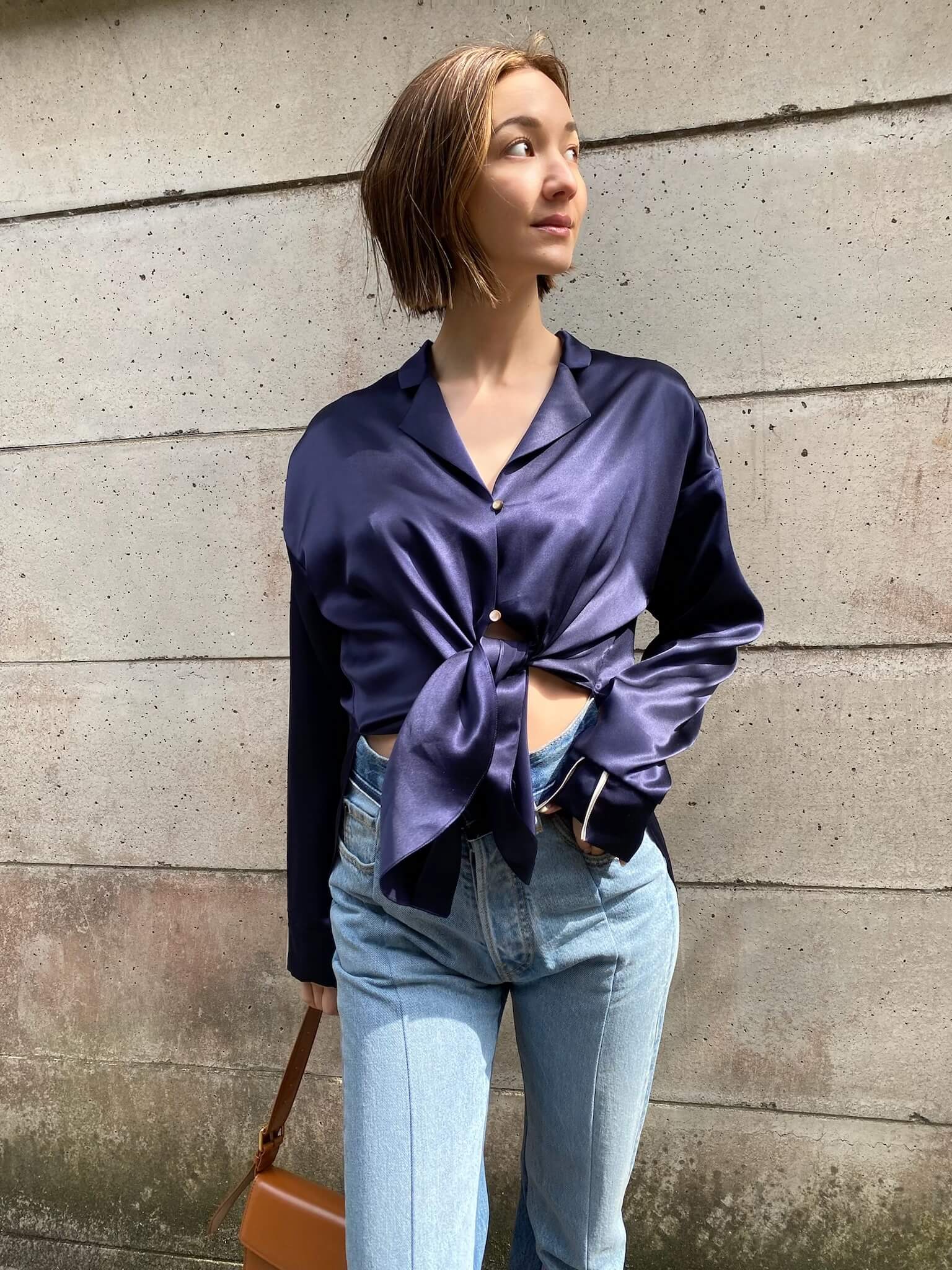
Tie it at the waist to make your legs look longer.
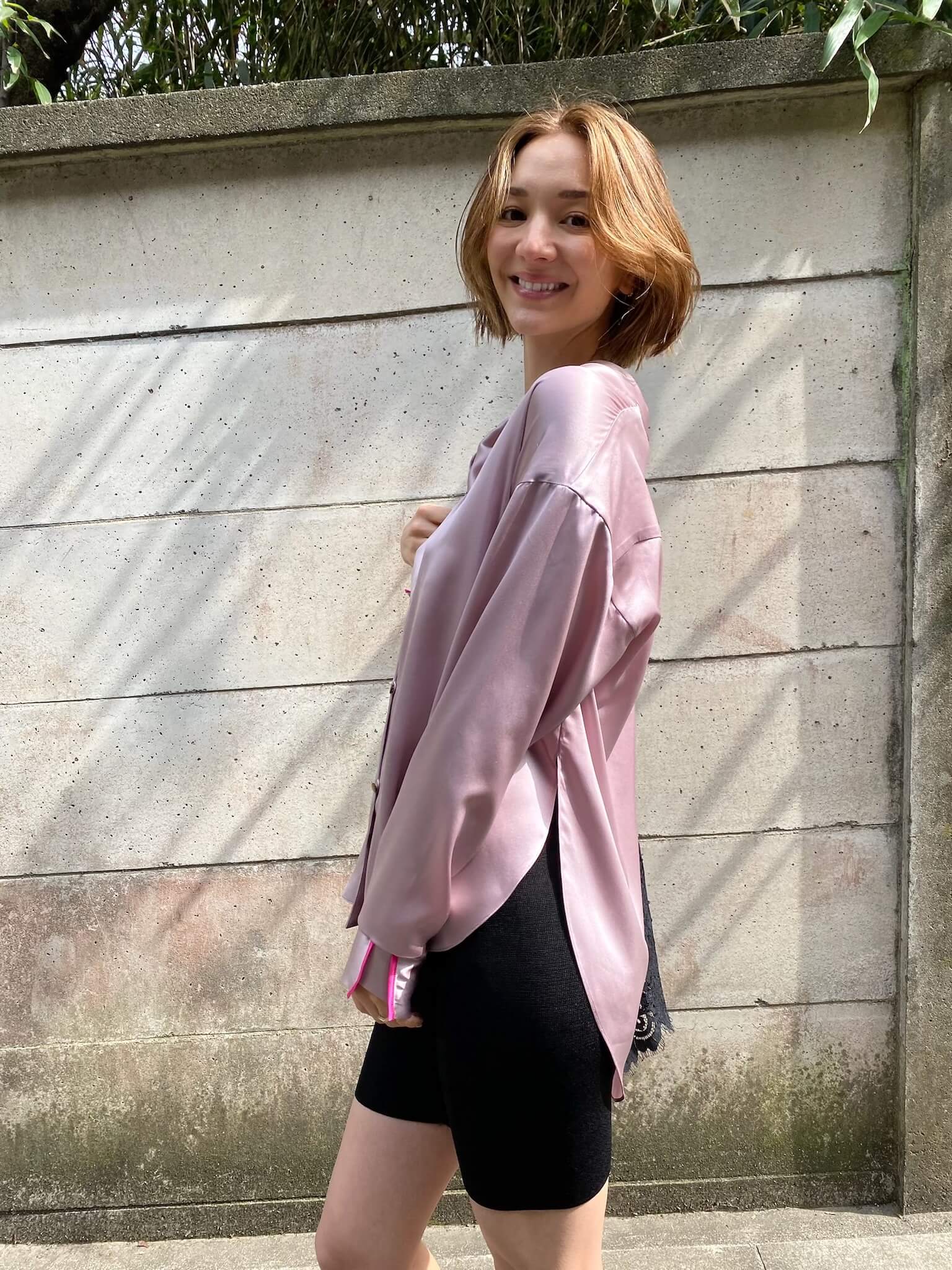
Lily Shirt
A stylish combination of a just-right sized shirt and cycling shorts.
The front and back are designed to be different lengths, and the side slits make your legs look longer.
Add an edge to your look by wearing stylish sandals.
Because it is a high-quality silk shirt, it can be worn with activewear and still look modern.
Add to WishlistSold out
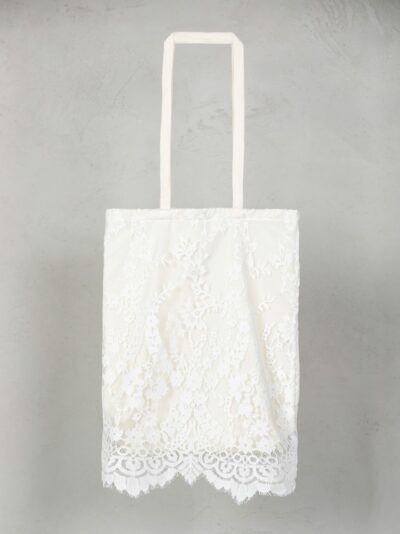
Essential Line
Lace tote bagレーストートバック
¥12,100
Add to WishlistCA Home
Silk Pajama SetSilk pajama set
¥92,400
 WHITE x WHITE
  WHITE x BEIGE
  BLACK x BLACK
  BLACK x BEIGE
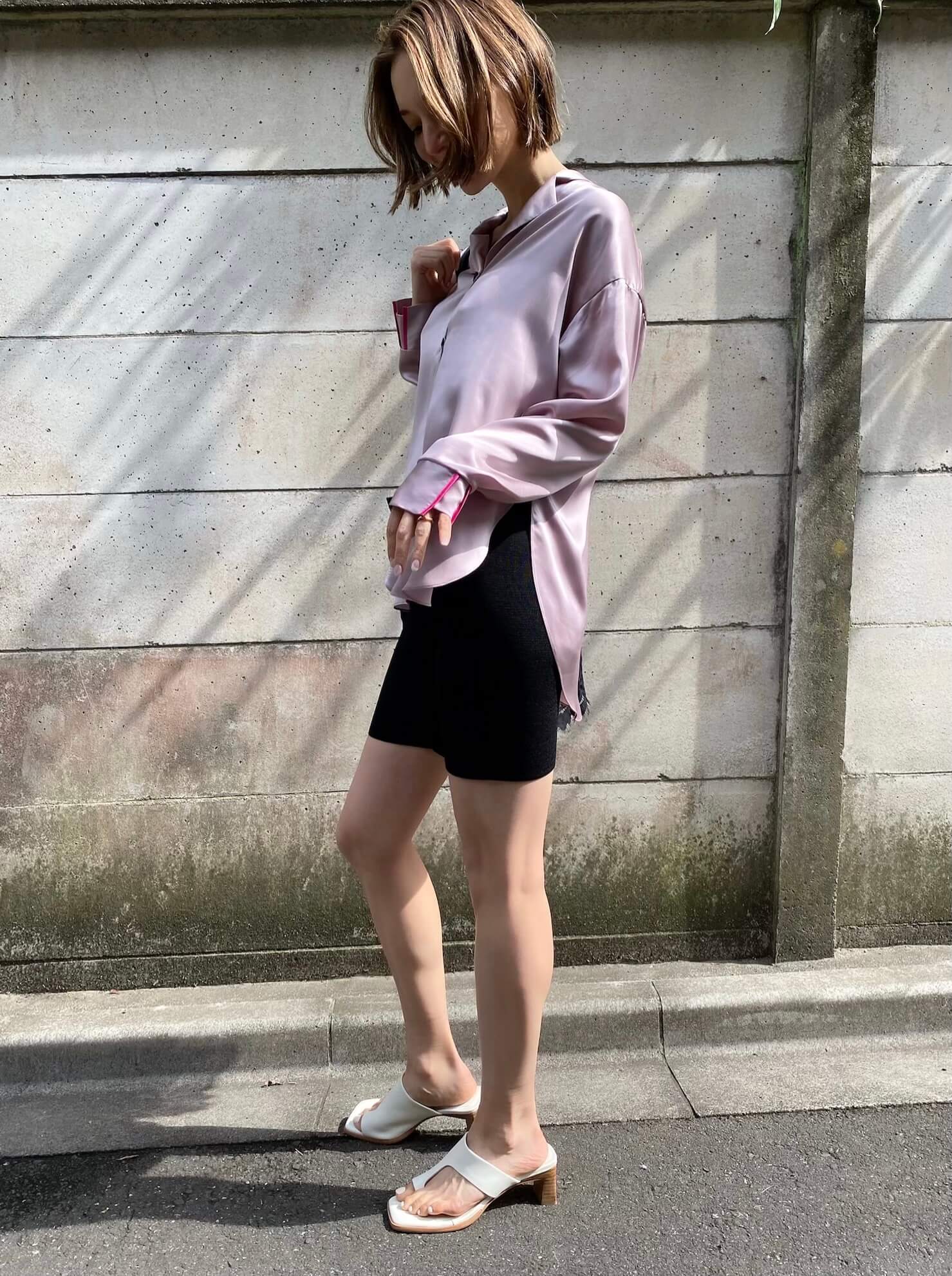
We recommend pairing it with shoes that will make your feet look longer and slender.
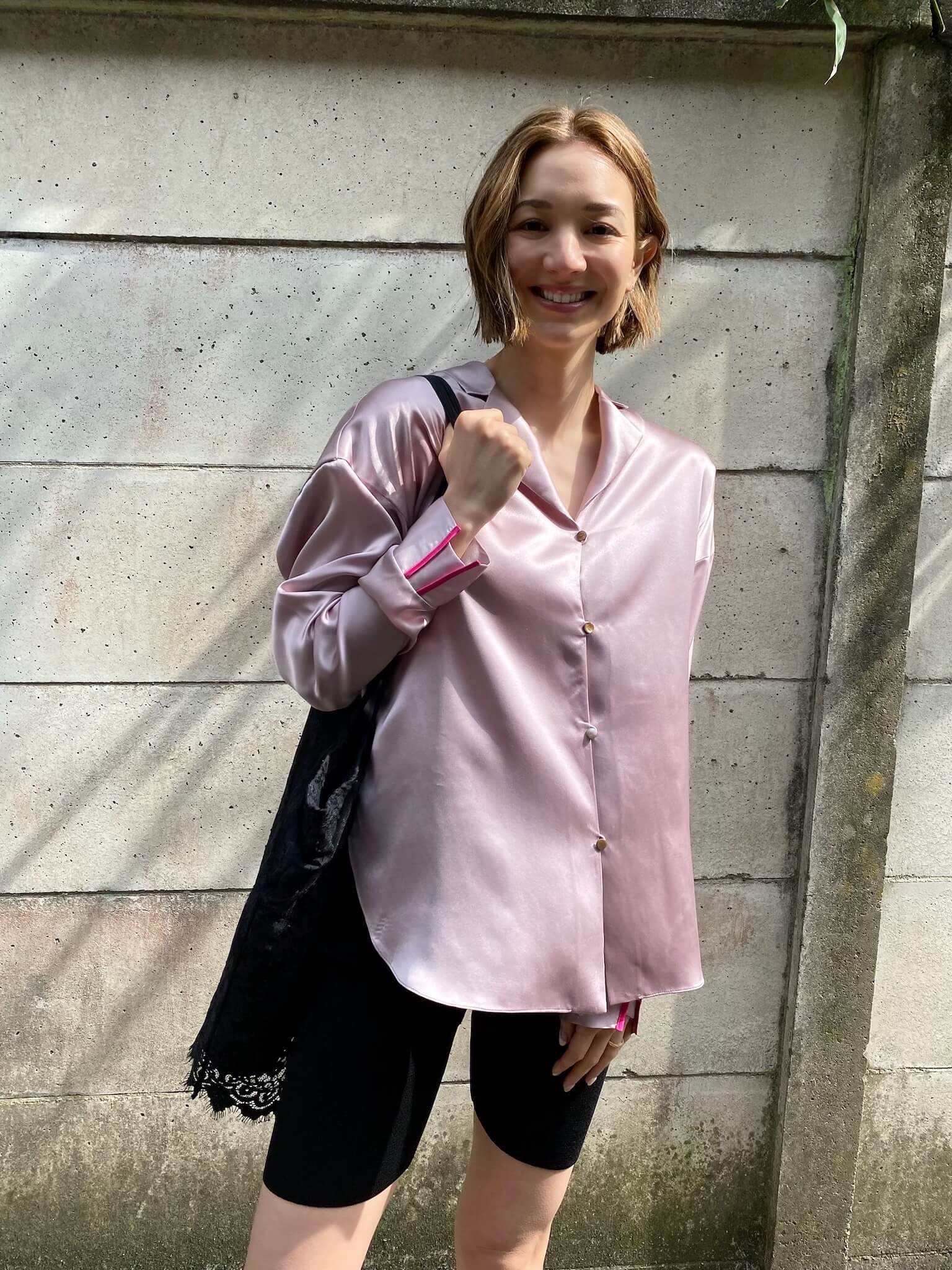
Pair it with a lace tote bag for a casual look
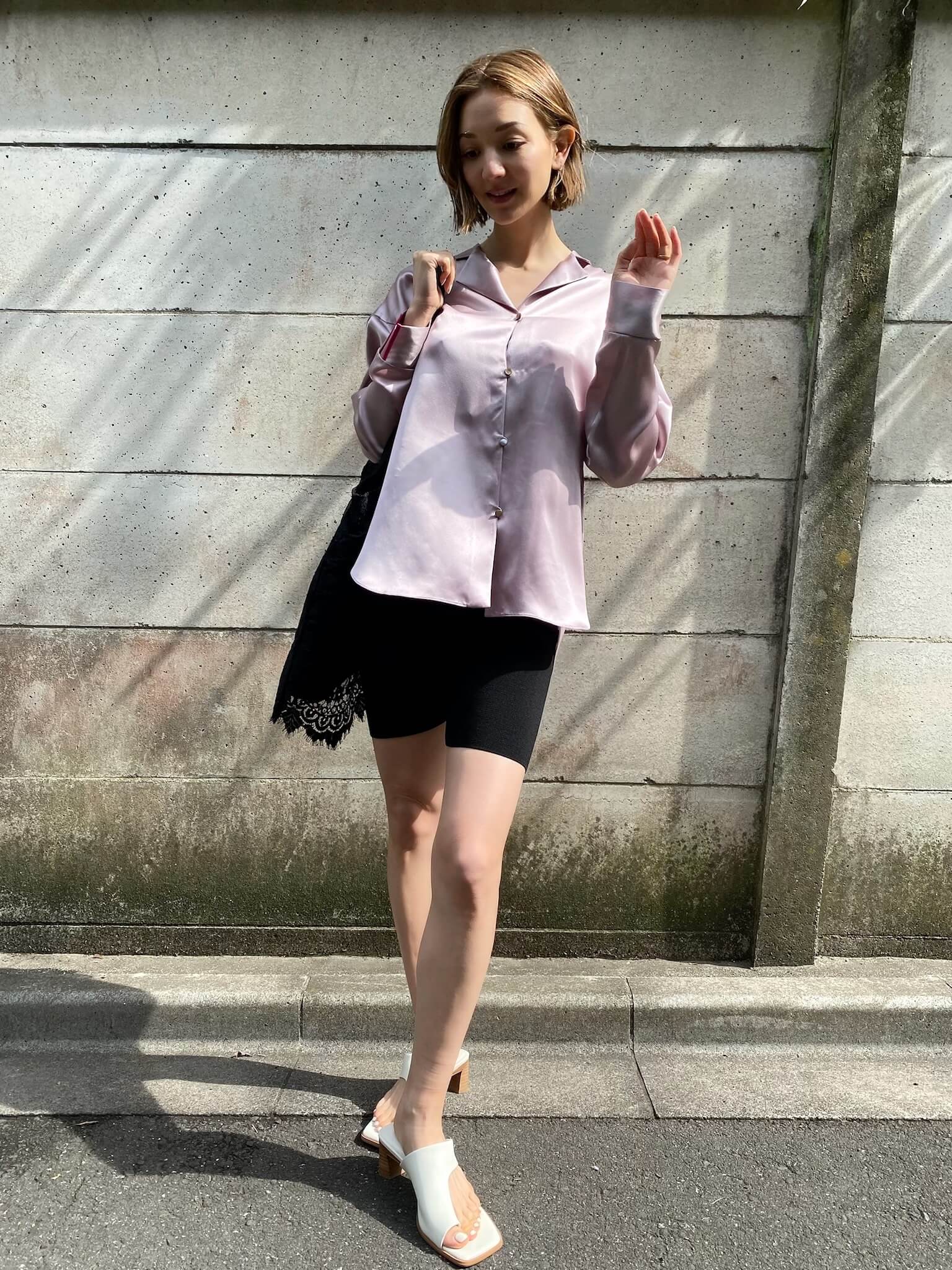
The perfect outfit for a day when you'll be moving around a lot!
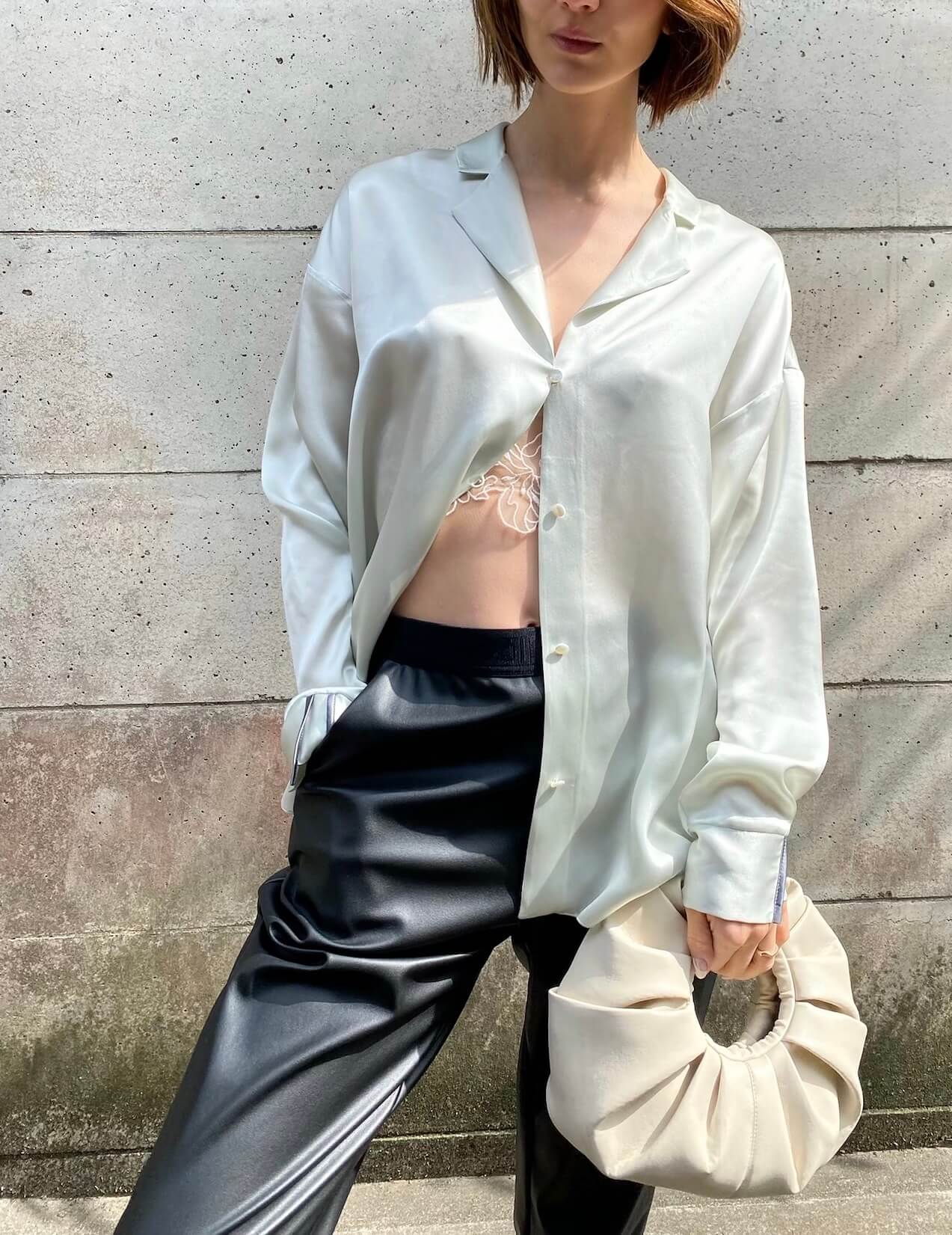
Duck Egg Shirt
Pair it with black leather bottoms and a stylish bag or shoes for an instantly sophisticated look.
Wear the LUNA series bra top as an inner layer and show off the sensual original lace. If you button it up, tuck it half in for a sophisticated look.
Add to WishlistCA Home
Silk Pajama SetSilk pajama set
¥92,400
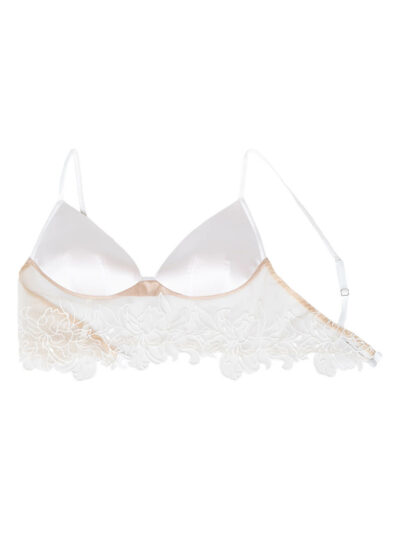
Add to WishlistLUNA
Non-Wire Bra Top CustomNon-wired bra top
¥34,100
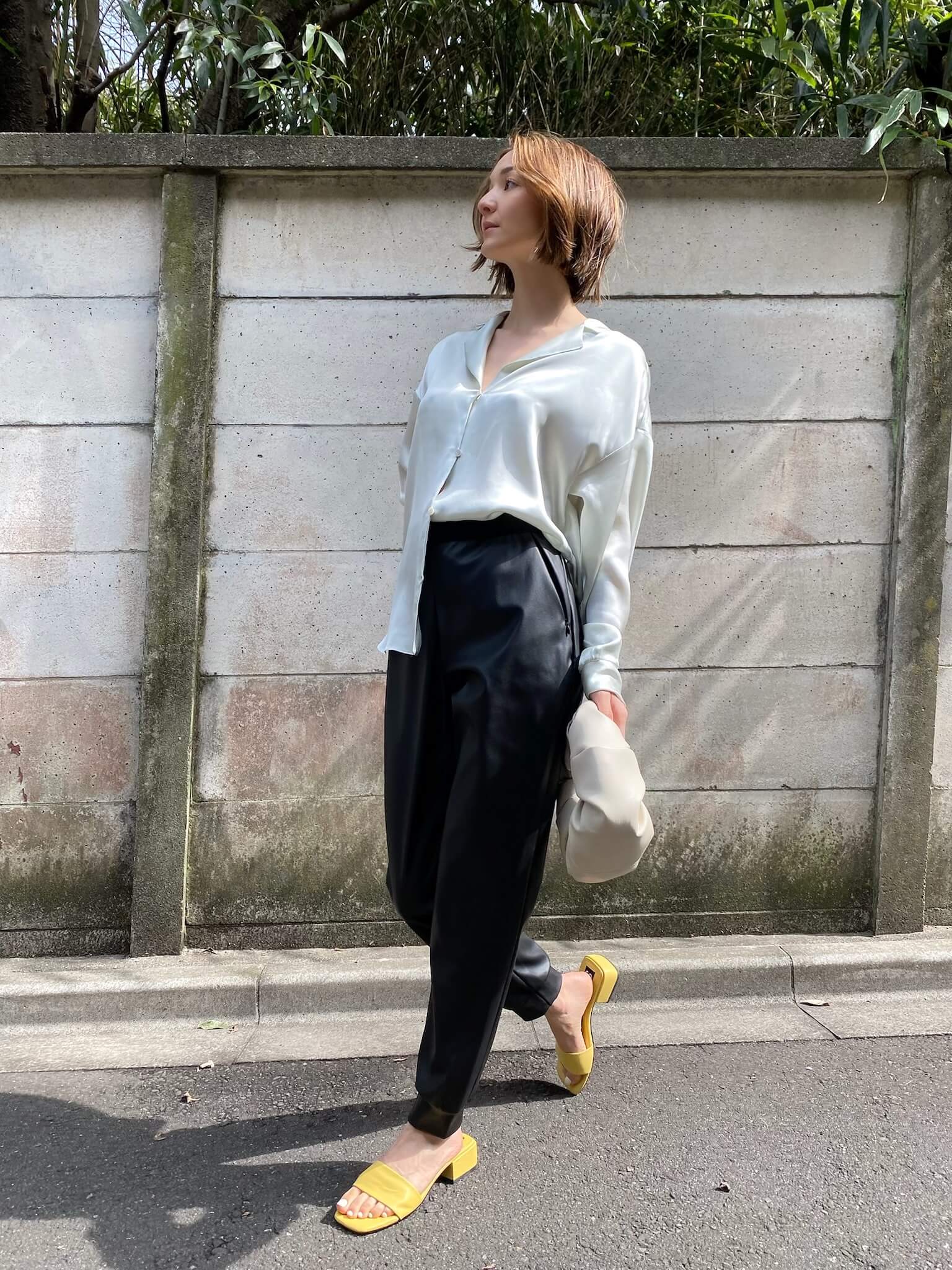
Enjoy matching different materials and pair it with vegan leather pants that match the luster of silk.
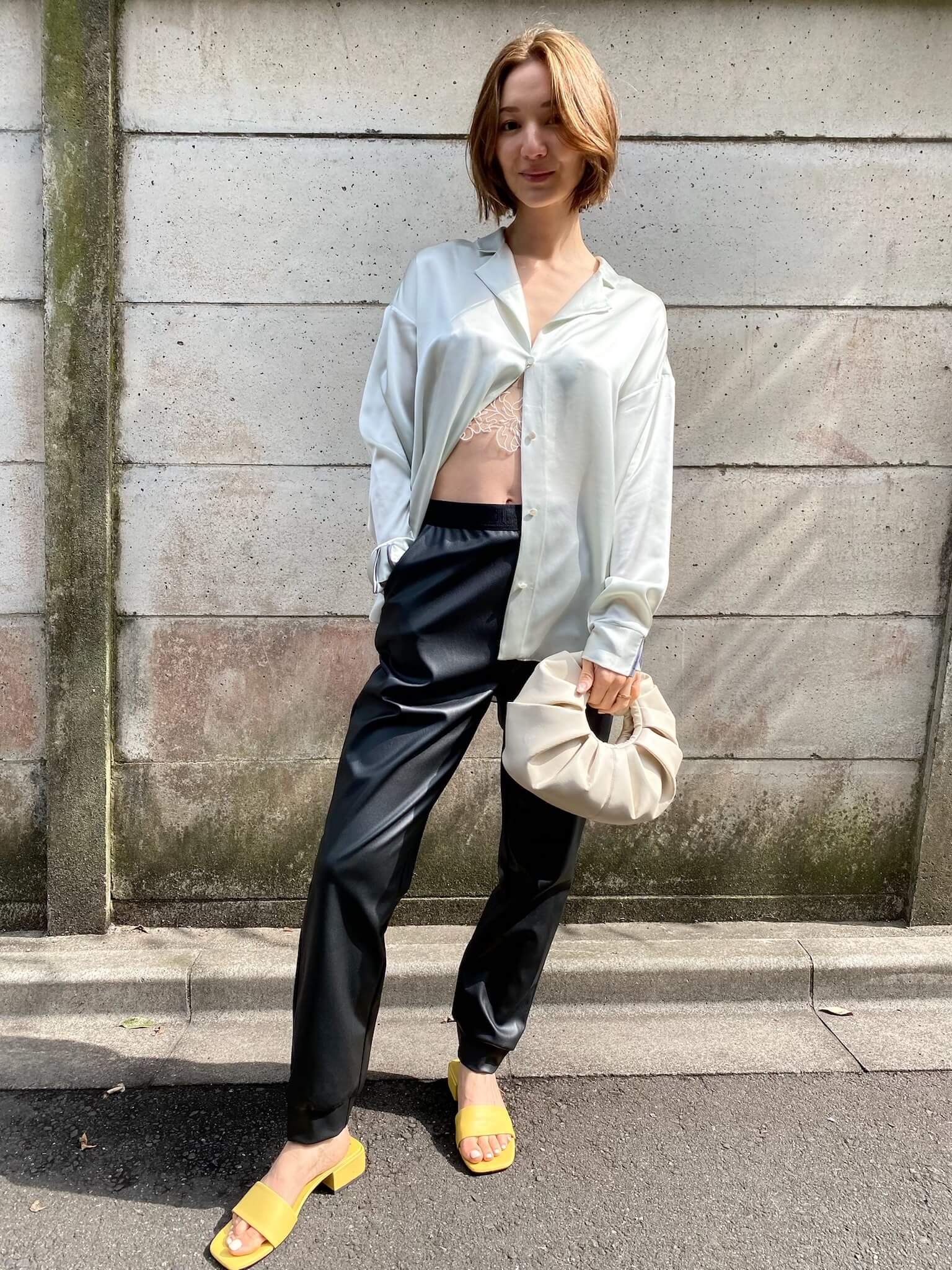
We recommend leaving the bottom button open to show off your innerwear for a summery look.
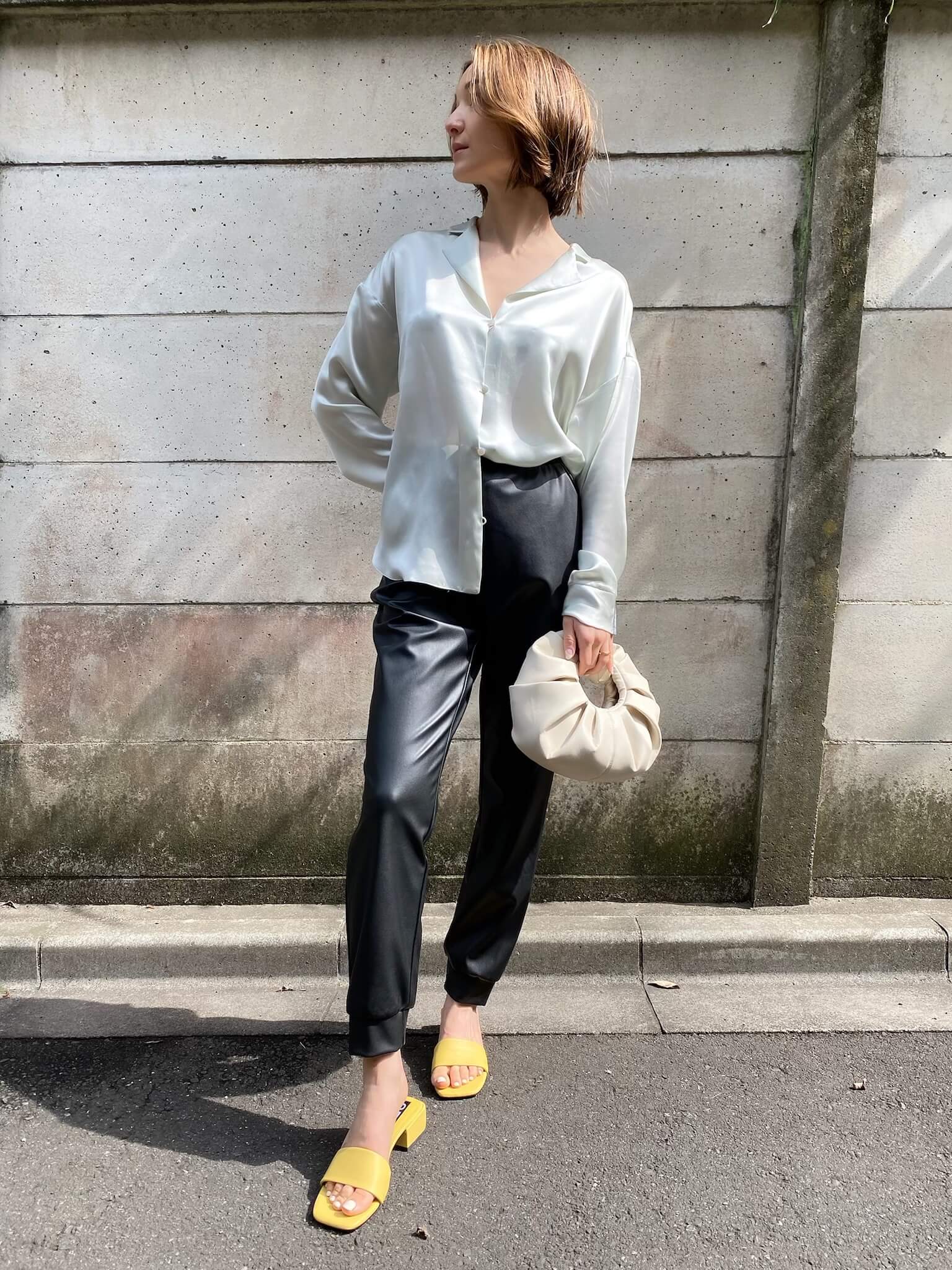
It's cool and casual, but also fun with cute bags and brightly colored shoes.
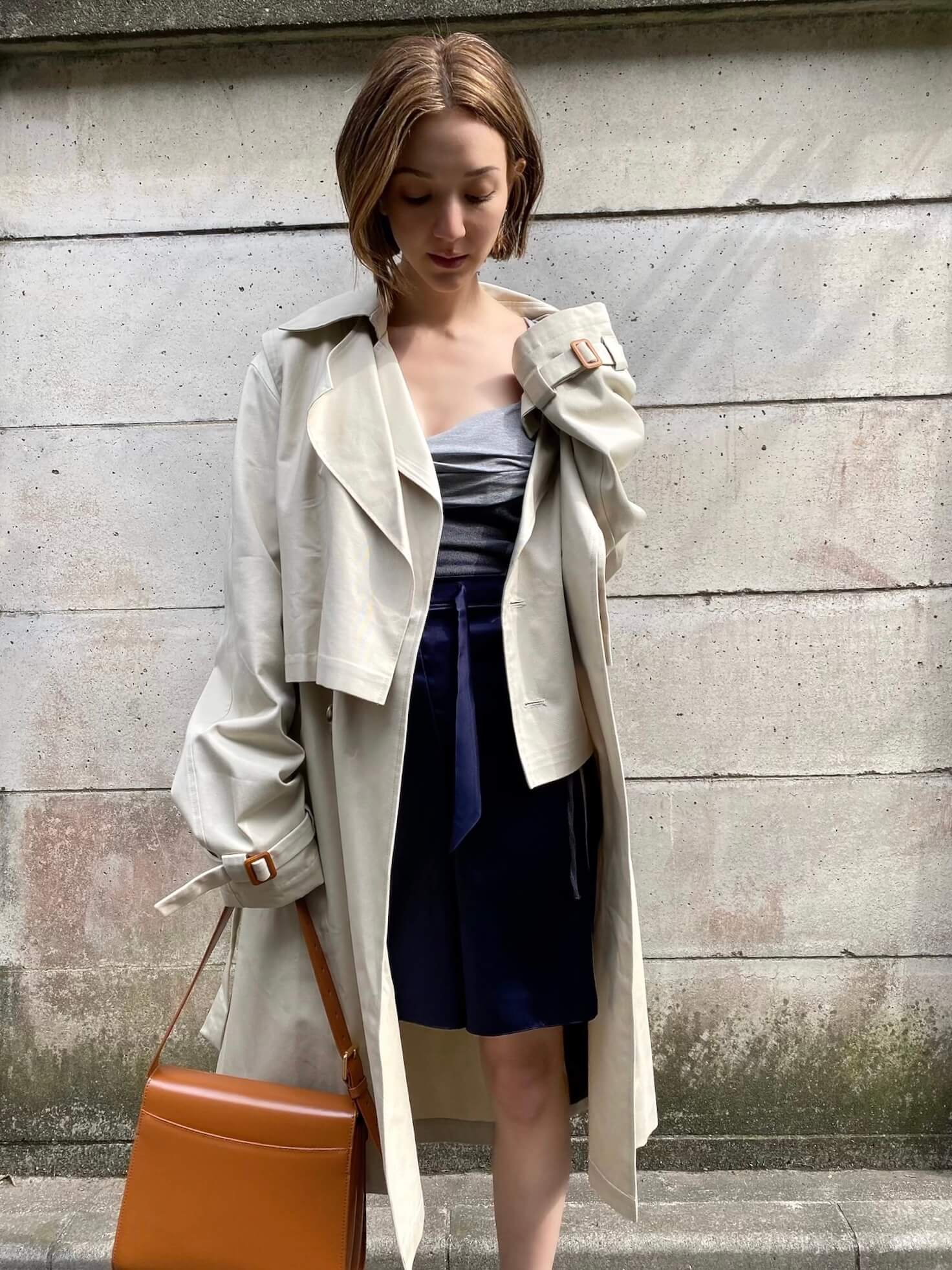
Navy PJ Shorts
Pajama shorts also have a beautiful silhouette and are made from a shiny material, making them a versatile item that can also be used to dress up your outfit depending on how you coordinate them.
It's cute to wear it loosely with an oversized knit, but this time I'm tucking in a top in a matching color tone to create a dress-like style. Pair it with a trench coat and accessories with a stylish design to create a mature look.
Add to WishlistCA Home
Silk Pajama SetSilk pajama set
¥92,400
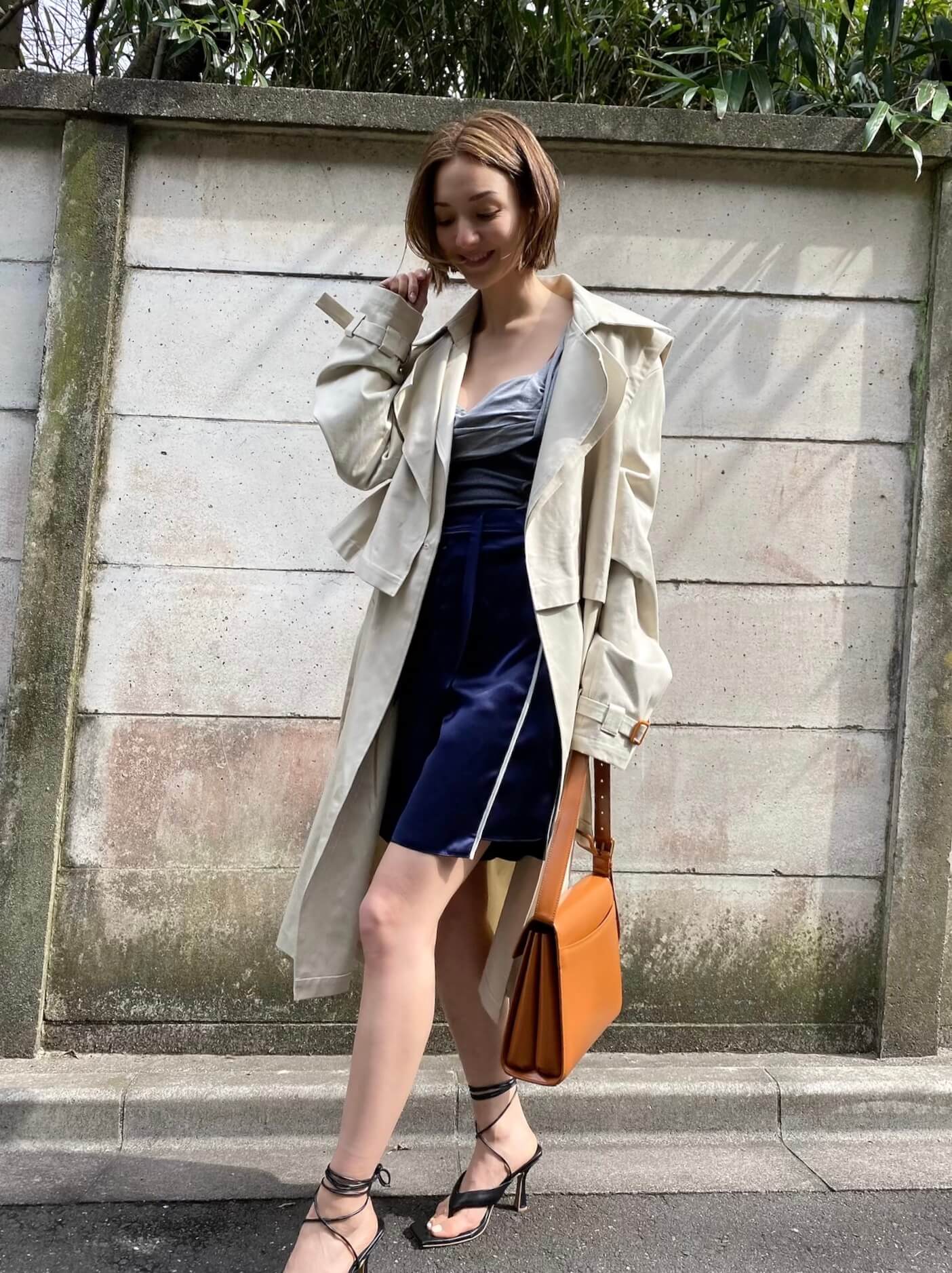
We recommend an oversized jacket so that your silk shorts can peek out as you move.
In the photo, she is wearing a men's trench coat.
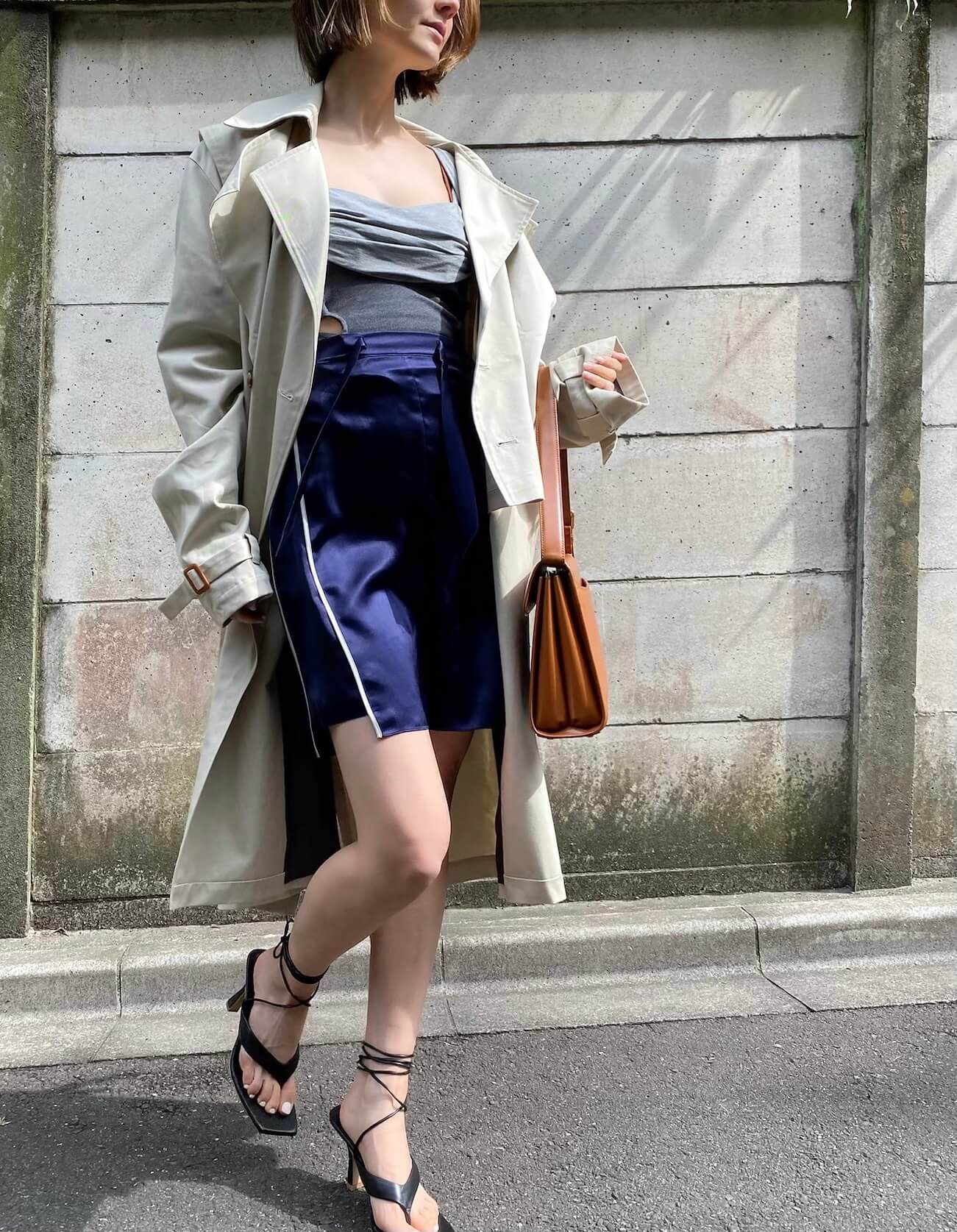
Pair it with sexy pumps
Find your favourite colour!
Have you found your favorite shade?
"Pajamas are only for sleeping"
Sometimes it's best to forget about that notion and try adding it to your own unique outfit!